
The ivory bangle lady is one of the most compelling figures in British archaeological history. Discovered in York, England during the 19th century, her burial site has sparked decades of scholarly debate and public fascination. She lived during the late Roman period, around the 4th century AD. Her remains were unearthed in 1831 near what was once a major Roman road. This location suggests she held significant status within the community. Unlike many other burials from that era, hers was richly furnished. Among the grave goods were luxury items such as glassware, jewelry, and, most notably, ivory bangles. These bangles gave rise to her modern name. They were carved from elephant ivory, indicating long-distance trade connections. Such materials would have been rare and expensive at the time.
Furthermore, scientific analysis in the 21st century revealed surprising details about her origins. Isotopic studies and facial reconstruction suggest she may have had North African ancestry. This challenges earlier assumptions about Roman Britain being predominantly white. It highlights the multicultural nature of the empire’s northern frontier. The ivory bangle lady symbolizes diversity, wealth, and social mobility in ancient times. Her story transcends archaeology and touches on identity, heritage, and representation. Museums now feature her prominently to educate visitors about inclusivity in history. Her legacy continues to grow as new research methods emerge. She is not just a skeleton but a narrative of connection across continents. Therefore, understanding her life helps us rethink who belonged in Roman Britain.
 Uncovering the Burial Site
Discovery and Initial Examination
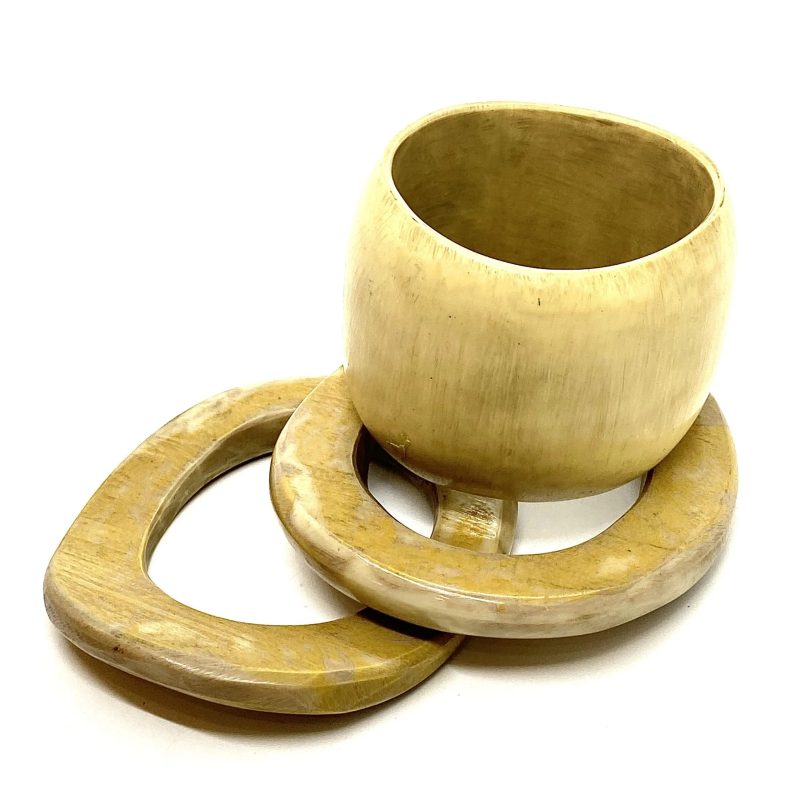
The excavation of the ivory bangle lady occurred before modern archaeological standards existed. Workers found her coffin during construction near Blossom Street in York. At first, the significance of the find wasn’t fully recognized. However, the presence of high-status artifacts quickly drew attention. The wooden coffin had deteriorated, but the contents remained relatively intact. Among them were two ivory bangles, which later defined her identity. Other objects included black jet bracelets, a blue glass perfume bottle, and a silver-handled mirror. These items pointed to a woman of considerable means.
Additionally, the placement of the grave mattered greatly. It lay outside the city walls but along a well-used route. This positioning often indicated respect or elite status in Roman tradition. The body was laid to rest with care and ritual. Experts believe she was buried facing east, a common practice linked to spiritual beliefs. Though no written records identify her by name, her possessions speak volumes. Each object reflects personal taste and cultural fusion. For example, the mirror combined Roman design with possible Eastern influences. Thus, her burial tells us more than just about death—it reveals how she lived.
Preservation and Modern Analysis
In recent years, researchers re-examined the ivory bangle lady using advanced technologies. CT scans provided detailed images of her skull and bone structure. Scientists used this data to create a facial reconstruction. The resulting image showed features associated with African ancestry. This finding reshaped interpretations of her identity. Previously, historians assumed she was of European descent. Now, it’s clear that people from diverse backgrounds thrived in Roman York.
Moreover, isotopic testing of her teeth enamel offered clues about where she grew up. The results suggested a warmer climate than northern Europe. This supports the theory that she migrated to Britain as a child or adult. Her ability to attain wealth and be buried so honorably indicates acceptance within society. She likely married into a prominent family or earned status through influence. Either way, her life defied social boundaries. Today, replicas of her bangles are displayed in museums. Scholars continue to study her remains with non-invasive techniques. Every new discovery adds depth to her story.
Cultural Significance of the Ivory Bangles
Symbolism and Craftsmanship
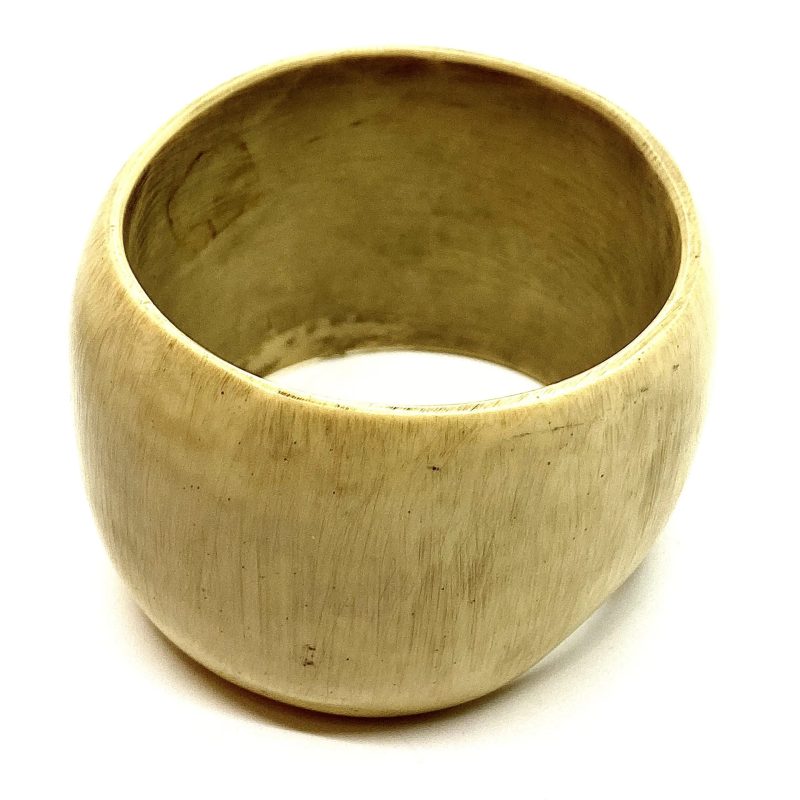
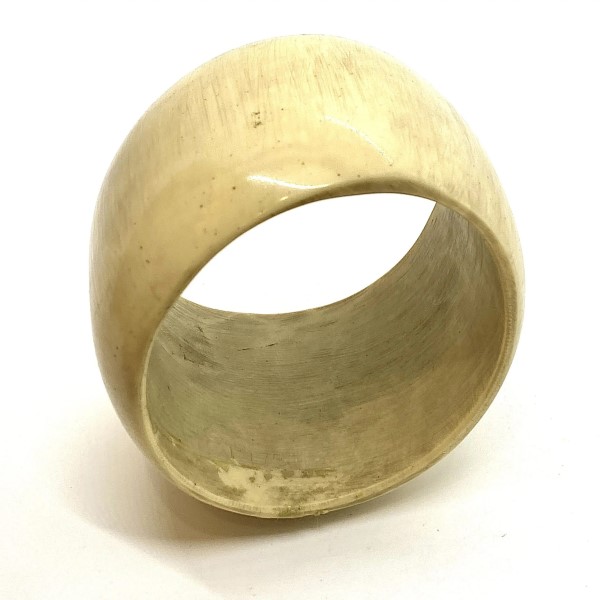
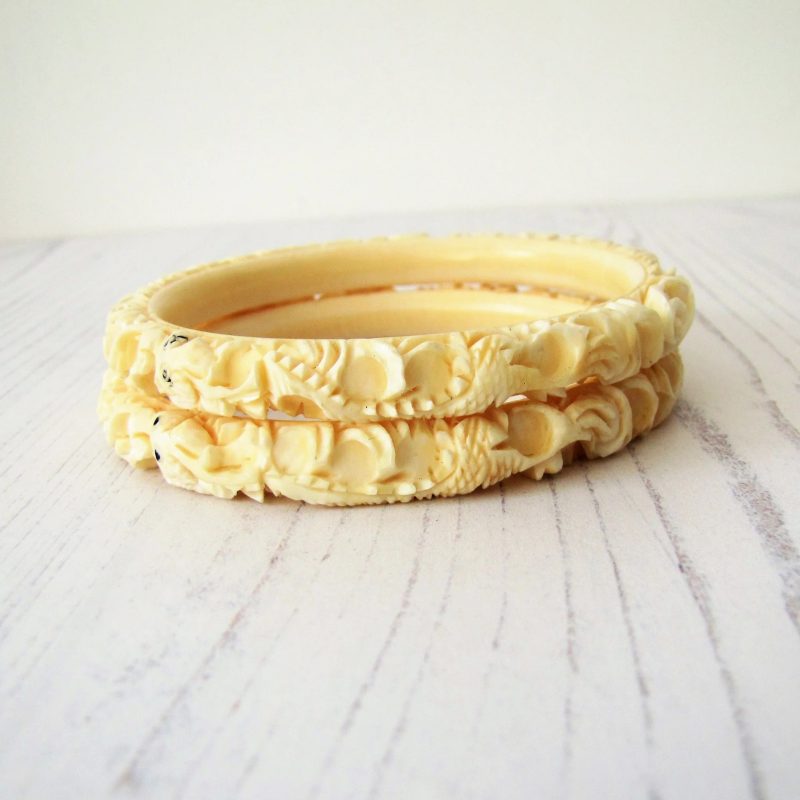
The ivory bangle lady owes her name to the striking ivory bracelets found on her arms. These bangles were not mass-produced trinkets. Skilled artisans hand-carved them with precision. Their smooth curves and polished finish reflect expert craftsmanship. Ivory was a prized material in the Roman world. It came from elephants, likely sourced through Mediterranean trade networks. Owning such items signaled access to global commerce.
Also, bangles carried symbolic meaning. In Roman culture, they represented femininity, beauty, and social rank. Wearing them could indicate marital status or religious affiliation. Some scholars link ivory to purity and divine favor. Others see them as markers of exoticism and cosmopolitan taste. Regardless, their presence in her grave underscores her elevated position. They were personal treasures, possibly gifts or heirlooms. Their survival over centuries allows us to connect emotionally with her memory.
Trade and Global Connections
The existence of ivory in Roman Britain illustrates far-reaching trade routes. Merchants transported goods from Africa, the Middle East, and Asia into Europe. The ivory bangle lady’s ornaments likely traveled thousands of miles before reaching York. This movement of materials shaped local economies and cultures. People in distant provinces adopted foreign fashions and customs. Her bangles exemplify this cultural blending.
Moreover, owning imported luxuries demonstrated power and sophistication. Only a few individuals could afford such rarities. Her collection also included items made from jet, a mineral found in northern England. This mix of local and imported goods shows balance between regional identity and global awareness. She embraced both worlds seamlessly. Her grave becomes a microcosm of the Roman Empire itself—diverse, interconnected, dynamic. As such, the ivory bangle lady stands as a testament to mobility and exchange in antiquity.
 Reassessing Identity in Roman Britain
Challenging Historical Narratives
For many years, depictions of Roman Britain focused on soldiers, emperors, and settlers from continental Europe. The ivory bangle lady disrupts this narrow view. Her probable African heritage forces historians to reconsider who lived in provincial cities. York (known as Eboracum) was a military and administrative center. It attracted people from all corners of the empire. Soldiers, merchants, officials, and their families created a melting pot.
Her burial proves that non-European individuals could achieve prominence. She wasn’t hidden away or marginalized. Instead, she received an elaborate funeral consistent with elite practices. This suggests integration rather than isolation. Her life contradicts outdated notions of racial homogeneity in ancient Britain. Modern audiences respond strongly to this revelation. School curricula now include her story to teach about diversity in history. Representation matters—even when looking back 1,700 years.
Implications for Heritage and Education
Museums play a crucial role in sharing the ivory bangle lady’s legacy. Exhibits in York feature reconstructions, artifacts, and interactive displays. Visitors learn about science, archaeology, and social history simultaneously. Educators use her case to discuss migration, identity, and bias in historical interpretation. Students engage more deeply when they see themselves reflected in the past.
Additionally, digital platforms extend her reach beyond physical spaces. Online articles, videos, and virtual tours make her accessible worldwide. Social media campaigns highlight her importance during heritage months. Researchers collaborate across disciplines to uncover new insights. Anthropologists, geneticists, and art historians contribute perspectives. Together, they paint a fuller picture of her world. The ivory bangle lady thus becomes a bridge between past and present.
Fashion and Status in Late Antiquity
Dress and Personal Adornment
Clothing and accessories played key roles in expressing identity during the Roman era. The ivory bangle lady clearly valued appearance and elegance. Besides the iconic bangles, she wore jet bracelets and carried fine toiletries. The silver-handled mirror implies daily grooming rituals. These habits mirrored urban fashions seen in Rome and other major cities.
Jewelry served practical and symbolic functions. It could denote wealth, religion, or allegiance. Some pieces protected against evil spirits. Others celebrated milestones like marriage or childbirth. Her selection suggests confidence and refinement. She curated a look that blended tradition with innovation. Even in death, her style communicates strength and grace.
Social Mobility Through Appearance
Appearance often influenced how others perceived an individual. For women, especially those from minority backgrounds, presentation could open doors. The ivory bangle lady may have used fashion strategically. By adopting elite styles, she asserted her place in society. Her wardrobe choices signaled belonging and authority. This form of self-expression empowered her despite potential prejudice.
Luxury goods also functioned as social currency. Gifting jewelry strengthened alliances and friendships. Hosting guests with imported perfumes displayed hospitality and taste. Her grave goods suggest she hosted gatherings or participated in civic events. She wasn’t secluded but active in public life. Therefore, her adornments weren’t mere decorations—they were tools of influence.
 Scientific Advances and Ongoing Research
Forensic Techniques and Discoveries
Modern science transformed our understanding of the ivory bangle lady. Early archaeologists lacked tools to analyze biological remains accurately. Today, specialists apply forensic methods to extract maximum information. DNA sampling, though limited by degradation, offers hints about lineage. Stable isotope analysis examines diet and geographic origin. These techniques work together to reconstruct life histories.
Facial reconstruction software uses skull measurements to generate lifelike images. Artists then add skin tone, hair, and clothing based on context. The result is a plausible representation of how she looked in life. This visualization makes her relatable to contemporary audiences. It turns abstract data into human connection. Science doesn’t replace storytelling—it enhances it.
Ethical Considerations in Study
As interest in the ivory bangle lady grows, ethical questions arise. Should human remains be studied indefinitely? Who owns the rights to ancestral data? Museums increasingly consult descendant communities before displaying sensitive material. Respectful handling ensures dignity for the deceased. Non-destructive testing minimizes damage to fragile bones.
Furthermore, researchers must avoid sensationalism. Presenting her solely as “the Black woman in Roman Britain” risks oversimplification. She was a complex individual with multiple identities. Focusing only on race ignores her economic status, faith, and relationships. Balanced scholarship honors her full humanity. Future studies should prioritize context over controversy.
 Frequently Asked Questions
Who was the ivory bangle lady?
She was a wealthy woman buried in York during the 4th century AD. Archaeologists named her after the ivory bangles found on her arms. Scientific evidence suggests she may have had North African ancestry. Her grave contained numerous luxury items, indicating high social standing.
Her exact name and profession remain unknown. However, her burial treatment implies respect and influence. She likely lived in a prominent household connected to Roman administration or trade.
Where was she found?
Workers discovered her coffin in 1831 near Blossom Street in York. The area was part of a Roman cemetery located outside the city walls. The site has yielded many important finds over the years. Her grave stood out due to its richness and preservation.
Today, her remains and artifacts are curated by York Museums Trust. Replicas and exhibits help share her story with the public.
What do the ivory bangles tell us?
The bangles signify wealth, taste, and international connections. Made from elephant ivory, they required skilled artisanship and long-distance trade. Possessing such items placed her among the elite.
They also reflect personal identity. Choosing to be buried with them shows emotional attachment. Perhaps they were gifts or symbols of achievement. Either way, they define her legacy.
Could she really be of African descent?
Evidence strongly supports this possibility. Facial reconstruction shows features common in North African populations. Isotopic analysis of her teeth aligns with a warmer climate. While DNA results are incomplete, the cumulative data points toward migration.
This does not mean she identified as “African” in modern terms. Identity in the Roman world was fluid and multifaceted. Still, acknowledging her likely origins enriches our view of history.
Why is she important today?
The ivory bangle lady challenges stereotypes about ancient Britain. She proves that people of color lived, thrived, and led in Roman provinces. Her story promotes inclusion in historical narratives.
Educators use her case to discuss diversity, migration, and representation. She inspires discussions about who gets remembered—and why.
 Conclusion
The ivory bangle lady remains a powerful symbol of complexity in ancient life. She embodies the intersection of race, class, gender, and culture in Roman Britain. Her grave speaks not just of death but of achievement and belonging. Through careful study and respectful presentation, we keep her memory alive.
She reminds us that history is never simple. Behind every artifact lies a person with dreams, struggles, and connections. The ivory bangle lady invites us to look deeper, ask questions, and embrace uncertainty. As research evolves, so too will our understanding of her world. Ultimately, she teaches us that diversity is not new—it has always been here.