What Is a Choker Tattoo and Why Has It Gained Popularity?
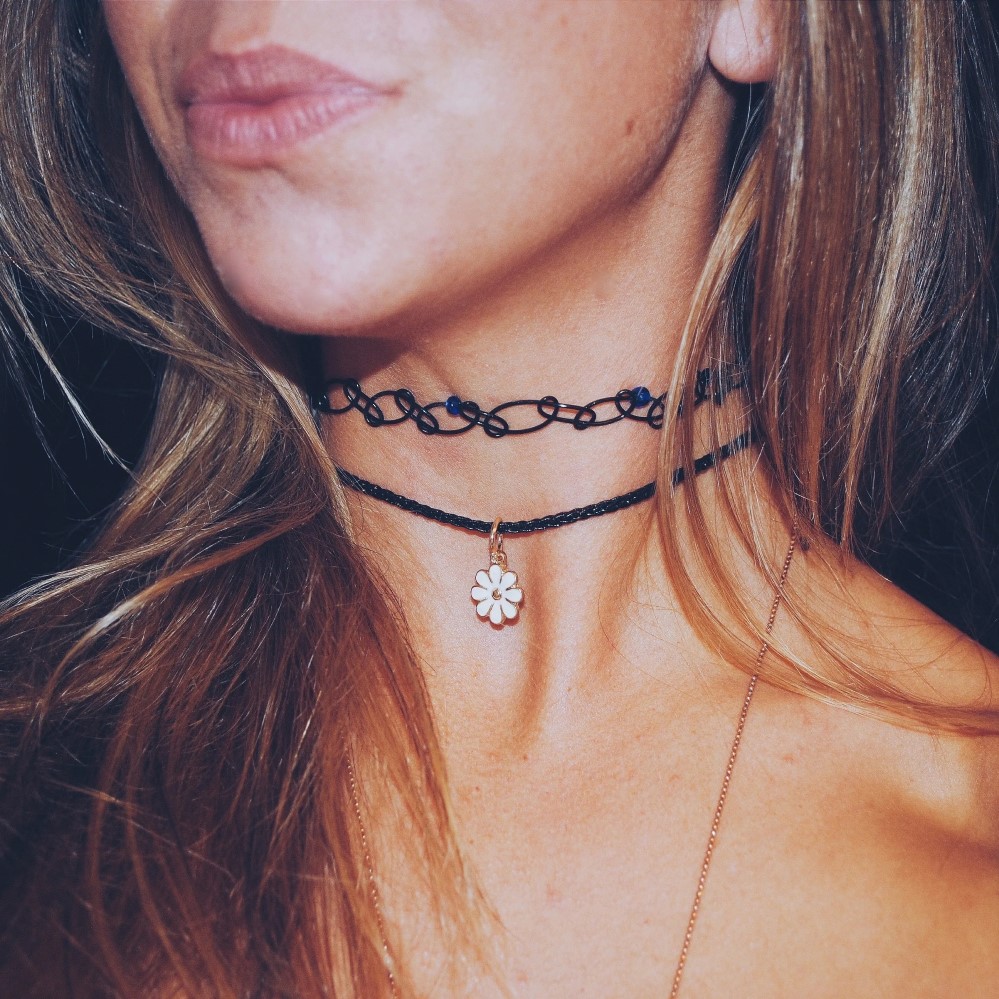
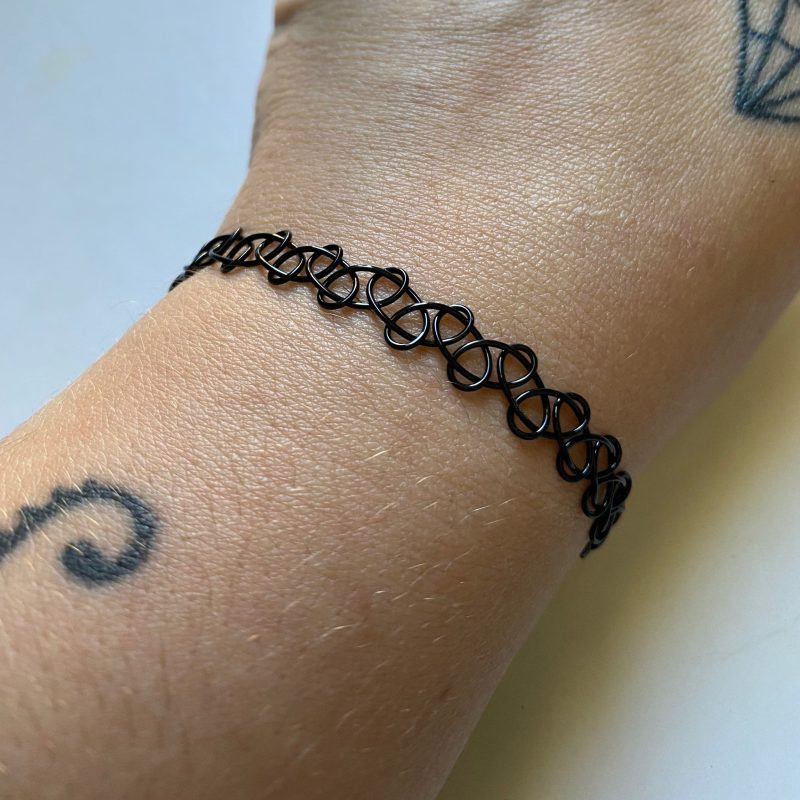
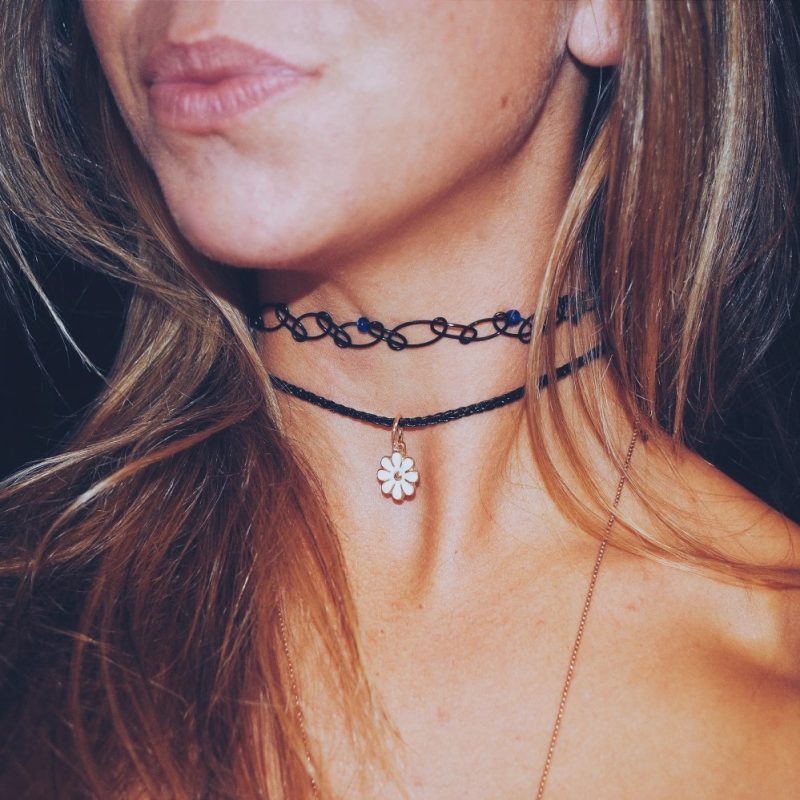
A choker tattoo mimics the look of a real necklace wrapped tightly around the neck. It sits just above the collarbones. Most designs are thin, continuous lines that circle the throat. Some include dots, dashes, or floral patterns. Others blend in lace-like details or geometric shapes. The effect is striking yet subtle from a distance.
This style has become increasingly popular in recent years. Social media platforms showcase it widely. Instagram and Pinterest feature countless variations. Influencers and celebrities have helped normalize it. Many see it as a form of body art that feels both delicate and daring. Unlike traditional tattoos, it doesn’t always scream rebellion. Instead, it whispers confidence.
The choker tattoo appeals to those who love accessories but want permanence. Some people frequently wear actual chokers. They choose this tattoo to mirror their personal style. Others get it as a symbolic gesture. It can represent protection, self-love, or transformation. No matter the reason, it stands out as intentional. The choker tattoo speaks without words.
Over time, artists have refined the technique. Fine-line tattooing allows for precision. Shading is minimal, if used at all. Clean black ink works best for visibility. Gray wash versions exist but fade faster. Choosing the right artist ensures longevity. A well-done choker tattoo looks like real jewelry.
 The Symbolism and Personal Meaning
Protection and Empowerment Themes
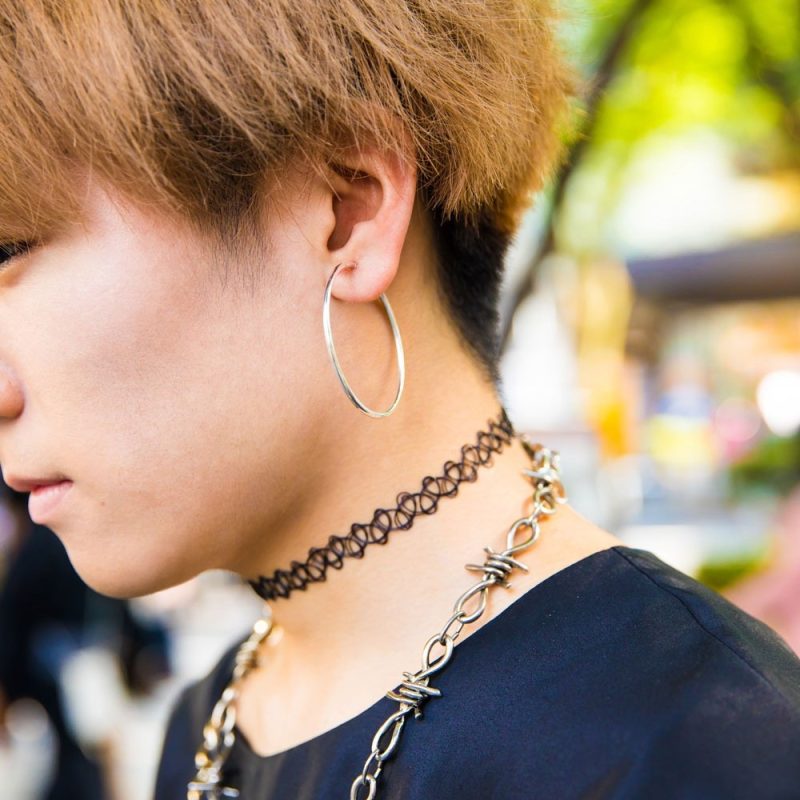
Many view the choker tattoo as a protective barrier. It encircles the neck, a vulnerable part of the body. This placement suggests guarding one’s voice and identity. Some believe it shields against negative energy. Others connect it to emotional healing. After difficult life events, they mark their skin as a sign of survival.
It also symbolizes empowerment. Wearing a permanent “necklace” shows control over one’s image. For some, it marks a break from past constraints. They reclaim their bodies through ink. The choker tattoo becomes a badge of independence. It says, “I define myself.” That message resonates deeply.
Women especially associate it with strength. In a world where appearance is often policed, this tattoo reclaims beauty on one’s own terms. It defies expectations quietly. There’s power in subtlety. The choker tattoo doesn’t need explanation. Yet everyone notices.
Some tie it to spiritual beliefs. The throat chakra relates to communication. A choker tattoo may represent opening up. Speaking truth fearlessly. Finding one’s authentic voice. These meanings add depth beyond aesthetics. The design becomes a daily reminder.
Femininity, Rebellion, and Self-Expression
Femininity plays a big role in the appeal of the choker tattoo. It evokes grace, elegance, and softness. Delicate lines mimic vintage lace or silk ribbons. These references connect to historical fashion. Yet the permanence makes it rebellious. Turning something temporary into forever is bold.
Rebellion isn’t always loud. Sometimes it’s a single line around the neck. Society often tells women how to dress and behave. A choker tattoo challenges those rules. It exists outside norms. It belongs solely to the wearer. That autonomy is revolutionary.
Others use it to express individuality. Matching outfits or hairstyles isn’t enough. They want art that moves with them. The choker tattoo integrates into daily life seamlessly. It shows during conversations, photos, and embraces. It becomes part of their presence.
Tattoo lovers appreciate its minimalist charm. It fits within micro-tattoo trends. Small, meaningful pieces are rising in demand. The choker tattoo delivers on both fronts. It requires little space but carries heavy significance. Simplicity never looked so powerful.
 Design Variations and Creative Styles
Minimalist Lines and Dotted Patterns
Minimalist designs dominate the choker tattoo trend. A single thin line circling the neck is the most common. It resembles a pencil sketch. Artists use fine needles for smooth application. The result looks clean and intentional. This style suits first-time tattoo recipients.
Dotted versions offer a softer alternative. Instead of a solid line, small dots form a broken ring. The spacing varies—some close, others wide. This creates a studded-choker illusion. It feels modern and edgy. Lighter than solid ink, it appears almost ethereal.
Both styles emphasize restraint. Less ink means less pain and faster healing. Touch-ups are rare if done correctly. These tattoos age well over time. Fading happens slowly due to low surface area. Proper aftercare extends clarity for years.
People often pair minimalist choker tattoos with other neck art. Tiny stars, moons, or initials enhance the look. Placement matters—slightly higher or lower changes the vibe. Some go asymmetrical for uniqueness. Creativity thrives within simplicity.
Ornate and Decorative Interpretations
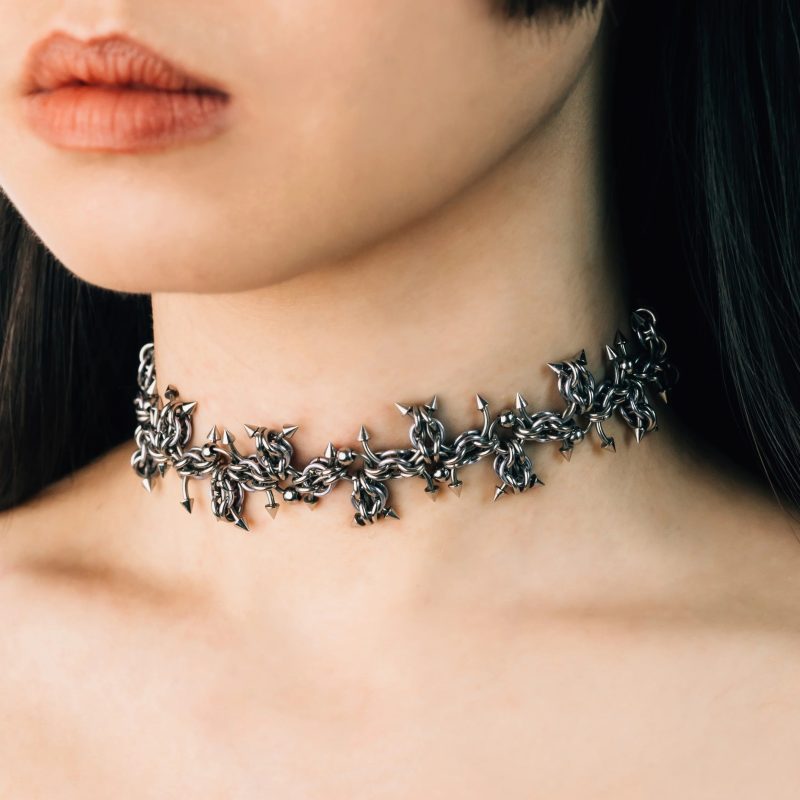
Not all choker tattoos are simple. Some feature intricate details. Floral vines wrap around the base of the neck. Roses, lilies, or ivy add texture. Others resemble Victorian-era lace collars. These take more time and skill to execute.
Geometric shapes bring structure. Triangles, hexagons, or mandala-inspired patterns create rhythm. Symmetry enhances visual balance. Artists may incorporate sacred geometry for deeper meaning. Each angle holds intention.
Larger designs sometimes extend upward. They climb toward the jawline or ears. These hybrid pieces blur the line between choker and collar tattoo. Coverage increases impact. However, they require bolder commitment.
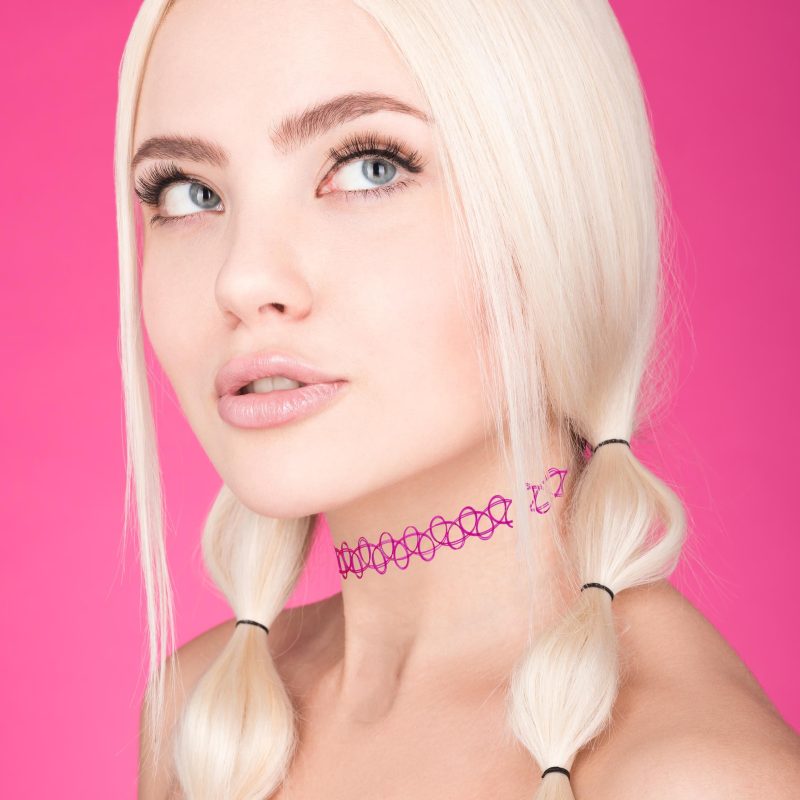
Color remains rare but not impossible. Most stay black for realism. Some add red accents—like rose centers or heart motifs. UV ink exists but fades quickly and poses risks. Traditional black ensures durability. Ornate does not mean flashy. Elegance guides every stroke.
Choosing the Right Artist and Placement
How to Find a Skilled Fine-Line Tattoo Artist
Selecting the right artist is crucial. Not all tattooists specialize in fine-line work. Look for portfolios showing clean, precise lines. Check reviews specifically mentioning detail and longevity. Experience matters more than location.
Schedule consultations before booking. Ask about their process. Do they freehand or use stencils? How do they handle swelling? Swelling can distort thin lines. An experienced artist accounts for this. They adjust placement accordingly.
Hygiene standards must be top priority. Ensure equipment is sterilized. Gloves should be worn at all times. Studios need proper licensing. Never compromise on safety for price. A cheap choker tattoo may cost more in corrections later.
Talk about your vision clearly. Bring reference images. Discuss size, spacing, and darkness. Test patches help gauge skin reaction. Some areas hold ink better than others. Neck skin varies by person. Trust your artist’s expertise.
Aftercare instructions should be detailed. Healing affects final appearance. Follow them strictly. Avoid sun exposure and moisturize properly. A responsible artist provides guidance. This partnership ensures success.
Ideal Placement and Fit Around the Neck
Placement defines the choker tattoo’s effect. Most sit 1–2 inches above the collarbone. This mimics real chokers perfectly. Too high risks visibility under hair. Too low loses definition. Natural neck curves guide positioning.
Artists often mark the spot with chalk first. You can check alignment in a mirror. Move your head side to side. Ensure the line stays level. Adjustments happen before any ink touches skin. Precision prevents regrets.
Skin tension affects outcome. The neck stretches when tilted. Work with a neutral posture during application. Breathe steadily. Sudden movements ruin fine lines. Patience leads to perfection.
Some prefer double or triple rings. These mimic layered necklaces. Spacing must be even. Uneven gaps look accidental. Planning prevents mistakes. Templates help maintain consistency.
Consider future tattoos too. Leave room for additions. Side placements allow growth. Front-center focuses attention. Each choice alters perception. Think long-term before deciding.
 Healing and Maintenance
Immediate Aftercare for Optimal Results
Healing starts the moment the session ends. The artist covers it with ointment and film. Keep it protected for 8–12 hours. Then gently wash with fragrance-free soap. Use fingertips only. Avoid scrubbing.
Pat dry with a clean towel. Let it air dry briefly. Apply a thin layer of aftercare cream. Repeat twice daily for the first week. Over-moisturizing causes clogging. Less is more during early stages.
Avoid swimming, saunas, and hot showers. Steam opens pores and invites infection. Skip makeup or perfume near the area. Clothing should not rub against it. Loose tops prevent irritation.
Peeling begins around day five. Do not pick or scratch. Let dead skin fall naturally. Underneath lies fresh, healed ink. Picking causes patchiness. Trust the process.
Sunlight damages new tattoos. UV rays break down pigment fast. Always cover or use SPF after healing. Long-term exposure fades the choker tattoo. Prevention keeps it sharp.
Long-Term Care and Preventing Fading
Years later, maintenance still matters. Moisturize the neck regularly. Dry skin dulls tattoo appearance. Use unscented lotions daily. Hydration preserves vibrancy.
Apply sunscreen whenever exposed. Even brief walks add up. Cumulative damage fades ink over time. Reapplication every two hours helps. Choose broad-spectrum SPF 30+.
Touch-ups may be needed every few years. Fine lines fade slower than large areas. But touch-ups restore crispness. Schedule them proactively. Waiting too long makes repairs harder.
Avoid tanning beds completely. Artificial UV light accelerates fading. It also increases cancer risk. Protect your health and art simultaneously.
Monitor for changes. Blurring or spreading indicates issues. Ink migration happens with poor technique. See your artist if concerns arise. Early action prevents worsening.
A well-cared-for choker tattoo lasts decades. It ages like fine art. Respect its journey. Treat it with care. Beauty endures with attention.
 Frequently Asked Questions
Does a Choker Tattoo Hurt a Lot?
Pain levels vary by person. The neck has moderate sensitivity. Bones lie close to the surface. Nerves run along the sides. Some report sharpness, others mild discomfort. Overall, it’s tolerable.
Areas near the spine or pulse points hurt more. Front sections usually feel easier. Breathing deeply helps manage sensation. Distract yourself with music or conversation. Pain peaks early and fades.
First-timers should prepare mentally. Expect pressure and vibration. It’s not like cutting. More like scratching with intensity. Sessions last 20–40 minutes. Short duration reduces strain.
Numbing creams exist but aren’t always recommended. They can blur skin texture. This affects precision. Talk to your artist before using any product. Safety comes first.
Can I Remove or Cover Up a Choker Tattoo Later?
Yes, removal options exist. Laser treatment breaks down ink particles. Multiple sessions are required. Black ink responds best. Complete removal takes time and money. Scarring is possible.
Cover-ups are another path. New designs hide old ones. Larger, darker tattoos work best. Consult an artist specializing in cover art. They assess feasibility first.
Some embrace fading naturally. Grayed lines look like real aging jewelry. This aesthetic gains popularity. Acceptance beats correction sometimes.
Decide carefully before getting one. Permanence is key. Regret is avoidable with research. A choker tattoo should feel right from the start.
Will My Choker Tattoo Smudge or Blur Over Time?
All tattoos change slightly. Skin regenerates continuously. Fine lines may soften after years. Good technique minimizes this. High-quality ink resists spreading.
Proper aftercare prevents early blurring. Infection or picking causes distortion. Sun exposure speeds breakdown. Daily protection slows aging.
Touch-ups restore original look. Schedule them every 3–5 years. Regular maintenance keeps the choker tattoo sharp. Aging is natural. Control what you can.
 Final Thoughts
The choker tattoo continues to captivate those seeking elegant self-expression. It blends fashion with body art seamlessly. Its minimalist nature hides deep meaning. From protection to rebellion, it carries weight.
It adapts to personal journeys. Some get it young. Others choose it later in life. Each story differs. The choker tattoo unites them through form. It proves small marks can speak volumes.
As trends evolve, this style endures. It honors tradition while embracing modernity. Artists refine techniques constantly. Wearers celebrate individuality boldly. The choker tattoo is not just ink. It is identity made visible.
Let yours reflect your truth. Wear it proudly. Care for it faithfully. And remember—every glance in the mirror reaffirms your choice. The choker tattoo lives not just on skin. It lives in spirit.