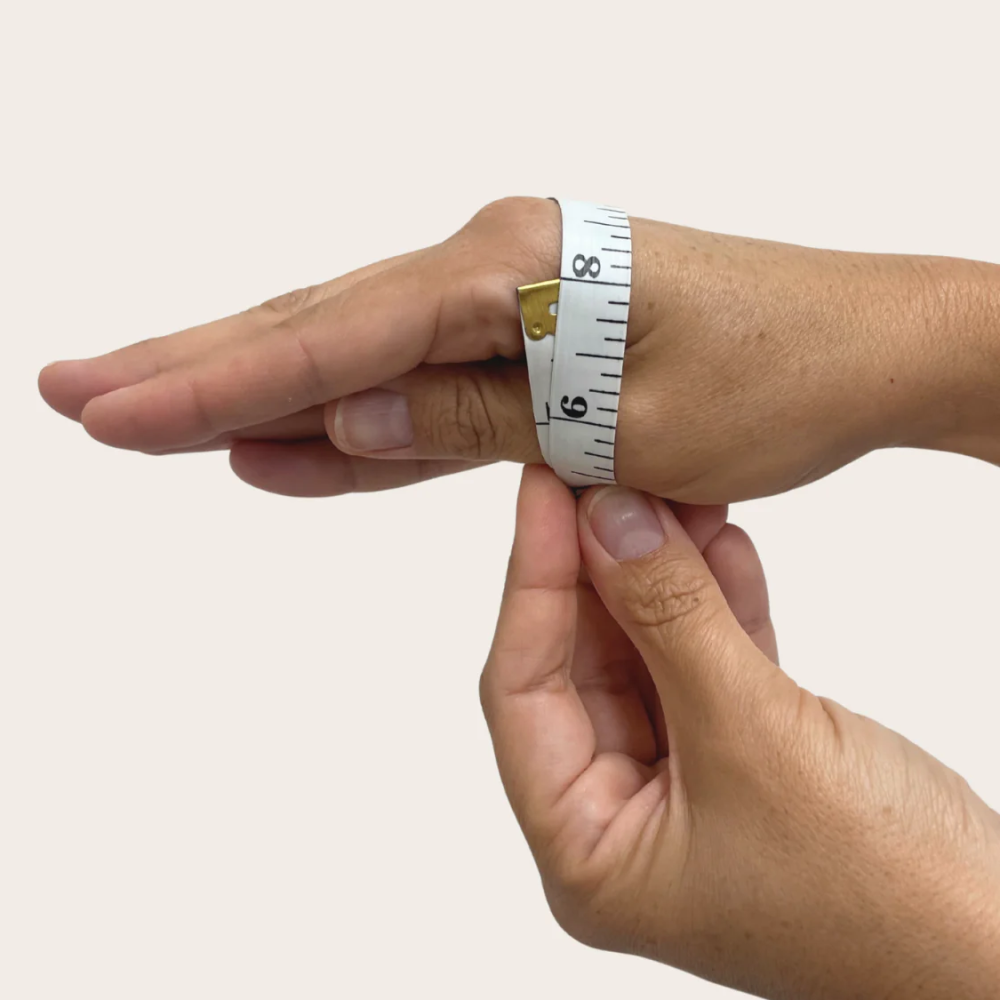
Choosing the right jewelry is more than just style—it’s about comfort, wearability, and confidence. One of the most common challenges shoppers face is figuring out how to measure bangle size accurately. Whether you’re buying for yourself or as a gift, an ill-fitting bangle can be frustrating. Too tight, and it won’t slide over your hand; too loose, and it might slip off without warning. That’s why understanding how to measure bangle size is essential before making a purchase.
Bangles are timeless accessories that add elegance to any outfit. Yet, unlike rings or bracelets with clasps, bangles require precise sizing because they must fit over the hand to reach the wrist. Without proper measurement, even the most beautiful piece can become unwearable. This guide will walk you through every step of measuring your bangle size correctly. You’ll learn tools to use, techniques to apply, and tips to avoid common mistakes—all so you can enjoy your jewelry with ease.
 Understanding the Basics of Bangle Sizing
Before diving into methods, it’s important to understand what bangle size actually means. Unlike flexible bracelets, bangles are rigid or semi-rigid circles. Therefore, the inner diameter determines whether it can pass over your hand and rest comfortably on your wrist. The key factor isn’t just wrist size—it’s hand width. Many people make the mistake of measuring only the wrist, which often leads to incorrect sizing.
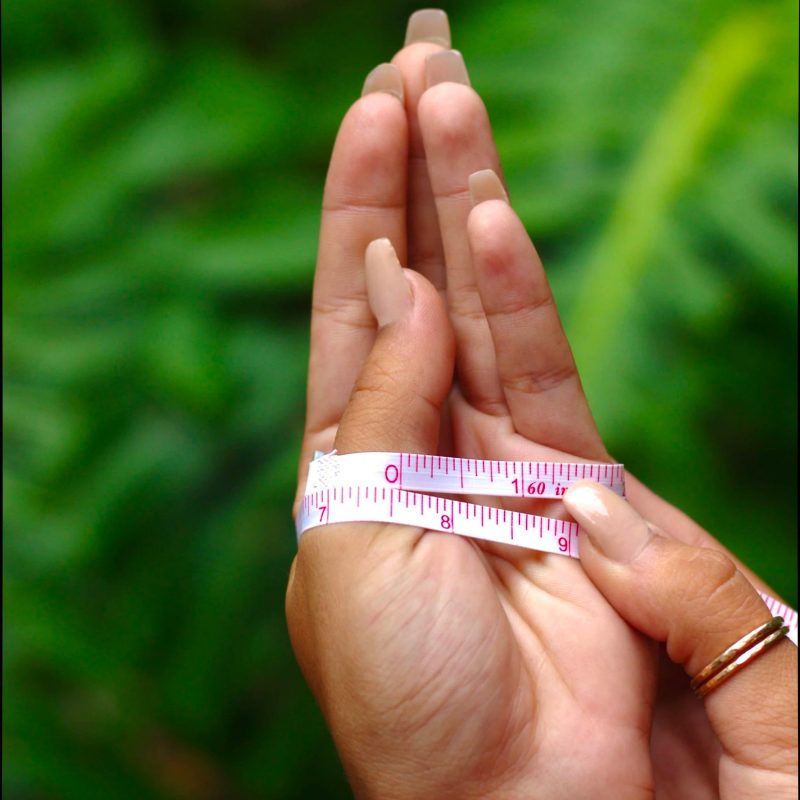
To truly know how to measure bangle size, you must consider both wrist circumference and hand dimensions. The widest part of your hand—usually across the knuckles or thumb base—must be able to pass through the bangle opening. Otherwise, no matter how well it fits the wrist, it won’t go on. As a result, accurate measurement involves multiple points. First, identify where your hand is widest. Then, use a soft tape or string to wrap around that area. Record this number carefully. Next, compare it with standard sizing charts provided by jewelers.
Tools You Need to Accurately Measure Your Bangle Size
Gathering the right tools makes the process faster and more reliable. To begin, you’ll need a flexible measuring tape. These are commonly found in sewing kits or available online. If you don’t have one, a piece of string and a ruler work just as well. Simply wrap the string around the widest part of your hand, mark where it overlaps, then lay it flat against the ruler to get the measurement in inches or centimeters.
Additionally, having a pen and paper helps keep track of your numbers. Some people also use printable bangle sizers from trusted jewelry websites. These templates allow you to align your hand with marked diameters and find the best fit visually. While not always 100% accurate, they offer a helpful starting point. Another useful tool is a set of adjustable ring mandrels or metal hoops used by jewelers. They simulate different bangle sizes and let you test fit physically. Ultimately, combining physical tools with careful technique ensures precision when you measure bangle size.
 Step-by-Step Methods to Determine Your Ideal Bangle Size
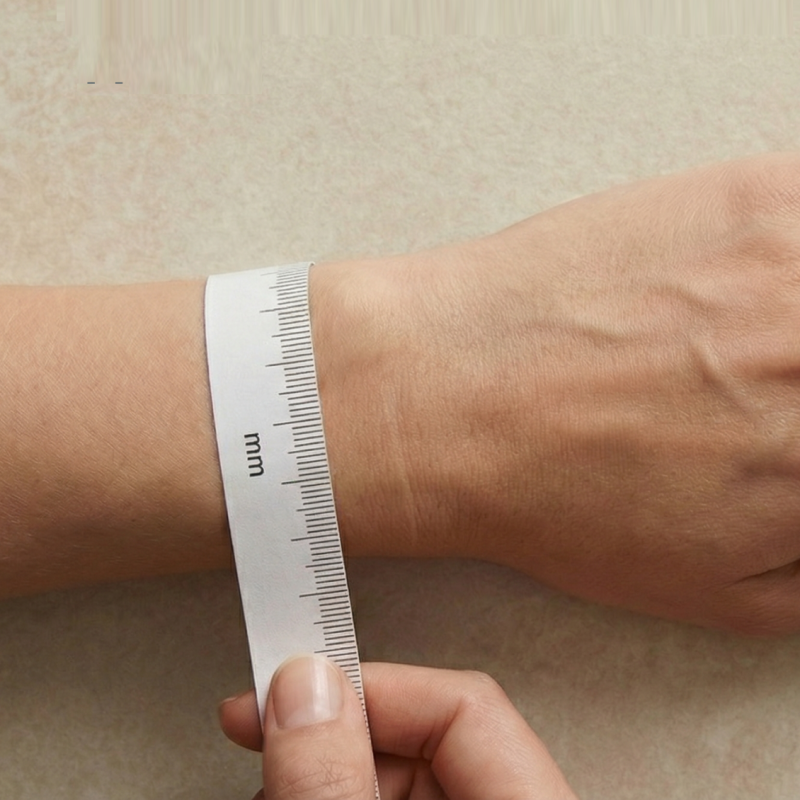
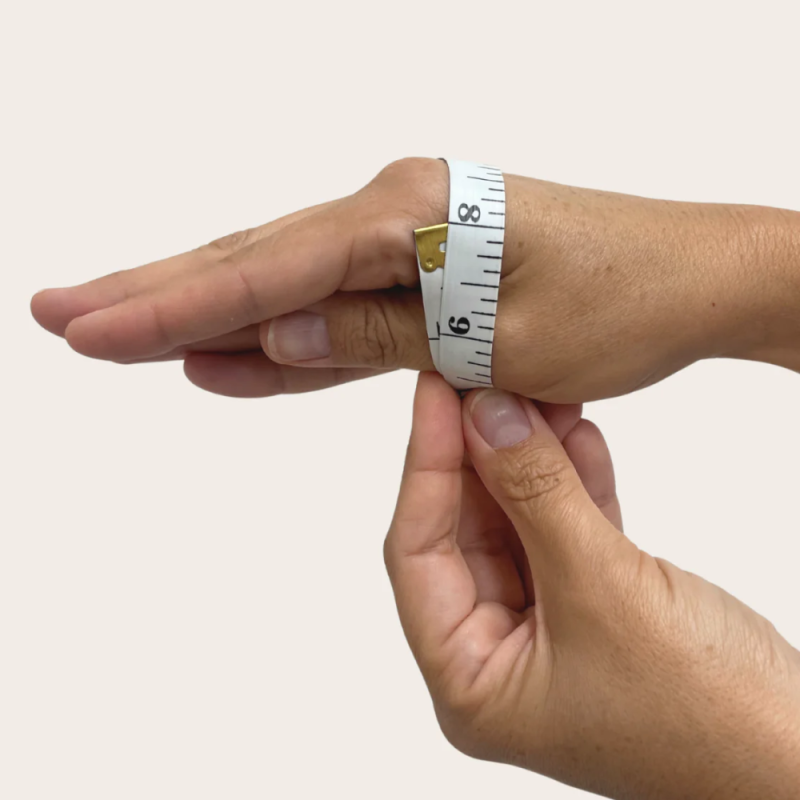
Now that you have your tools ready, follow these clear steps to measure your bangle size correctly. Start by relaxing your hand. Tension can cause fingers to swell slightly, leading to inaccurate readings. Place your hand flat on a table, fingers together but not squeezed. Use the measuring tape or string to wrap snugly around the widest part of your hand—typically across the knuckles below the fingers or at the base of the thumb.
Once you’ve recorded the measurement, refer to a standard conversion chart. Most bangle sizes are listed in internal diameter (inches or millimeters). For example, a hand measurement of 7 inches usually corresponds to a 2.2-inch diameter bangle. However, slight variations exist between brands. Therefore, always check the specific brand’s sizing guide before purchasing. If using a string, double-check the length against the ruler. Repeat the process two or three times to confirm consistency. Accuracy improves with repetition. Finally, write down your final number and keep it handy for future purchases.
Comparing Bangle Sizes Across Different Materials and Designs
Not all bangles behave the same way, even if they share the same size label. Material plays a big role in how a bangle feels and fits. For instance, metal bangles like gold, silver, or brass tend to be rigid. They do not stretch or flex, so precise sizing is critical. On the other hand, wooden or lacquer bangles may have slight give, allowing a bit more room for error. Still, relying on flexibility isn’t recommended.
Design elements also affect fit. Bangles with wide bodies take up more space on the wrist and may feel tighter than slimmer ones. Similarly, bangles with intricate carvings or protruding details might catch during wear. Hollow or open-ended bangles provide easier access but still require correct sizing for stability. Consequently, when you measure bangle size, think beyond numbers. Consider how the material and shape interact with your hand structure. A bangle that fits perfectly in steel might feel awkward in thick wood. Always prioritize comfort alongside aesthetics.
Common Mistakes to Avoid When Measuring Bangle Size
Even with the right tools, many people end up with poorly fitting bangles due to simple errors. One frequent mistake is measuring only the wrist instead of the hand. Since bangles must slide over the hand, wrist size alone doesn’t reflect the necessary clearance. Another issue is pulling the tape too tightly. This compresses the skin and gives a smaller reading, resulting in a bangle that won’t fit. Always aim for a snug but not tight fit when wrapping the tape.
Some individuals measure their dominant hand, which may be slightly larger due to regular use. It’s better to measure both hands and choose the larger measurement. Ignoring temperature is another oversight. Hands swell in heat and shrink in cold, so avoid measuring immediately after exercise or in extreme weather. Lastly, skipping the test phase increases risk. Whenever possible, try on sample sizes before buying. Learning how to measure bangle size properly means paying attention to detail and avoiding shortcuts.
 Tips for Buying Bangles Online with Confidence
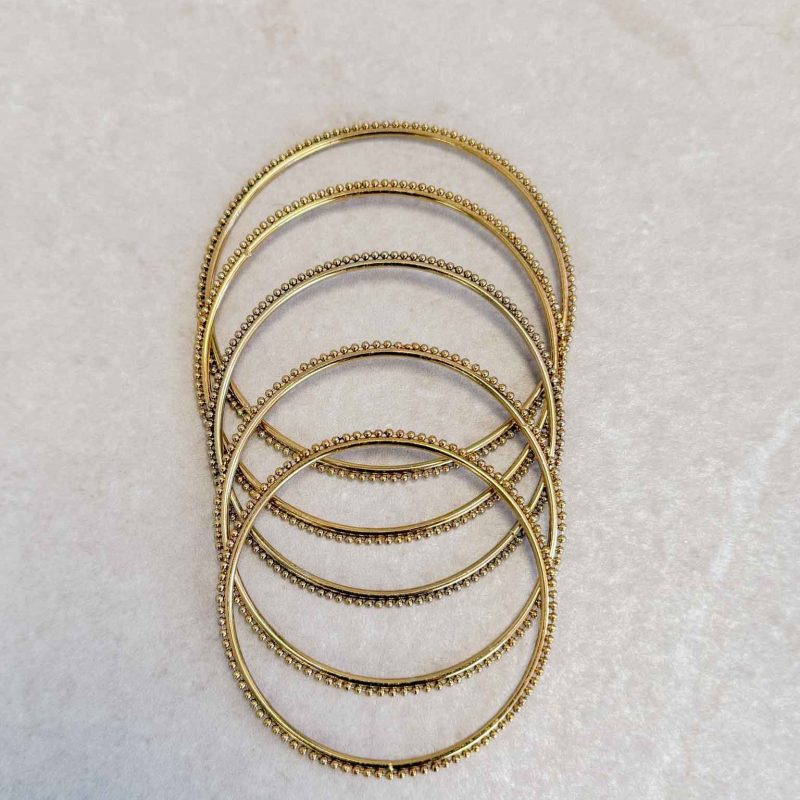
Shopping online offers convenience, but it removes the ability to try before you buy. That’s why knowing how to measure bangle size becomes even more crucial in digital marketplaces. Begin by checking the seller’s return policy. Reputable stores often allow exchanges if the size is wrong. Read customer reviews closely—many buyers mention whether the bangle runs large or small compared to standard sizes.
Next, look for detailed product descriptions. Reliable sellers include exact internal diameter measurements, not just generic labels like “medium” or “large.” Photos with scale references, such as a hand model or ruler, add clarity. Don’t hesitate to contact customer service with sizing questions. Most responsive brands provide guidance based on your measurements. Also, save your personal size data for future orders. Over time, you’ll notice patterns across brands. With practice, selecting the right bangle online becomes much easier and far less stressful.
Using Conversion Charts Effectively
Conversion charts bridge the gap between hand measurements and bangle diameters. After recording your hand’s circumference, locate the corresponding diameter on the chart. Keep in mind that standards vary slightly between countries. Indian bangles, for example, often run smaller than American or European styles. Therefore, always verify which system the brand follows.
Charts typically list sizes from 2 inches to 2.6 inches in diameter, covering most adult hands. If your measurement falls between two sizes, opt for the larger one—especially if the bangle is solid metal. Remember, you can always add a safety chain later, but you can’t stretch a rigid bangle. Print or screenshot the chart for quick reference. Pairing this tool with accurate self-measurement greatly improves your chances of success.
Why Proper Sizing Enhances Comfort and Style
A well-fitted bangle does more than stay in place—it enhances your overall look and feel. When sized correctly, it moves smoothly over the hand and rests gently on the wrist without pinching or sliding excessively. This balance ensures all-day comfort, whether you’re typing, cooking, or waving hello. In contrast, an ill-fitting bangle causes irritation, distraction, and even potential injury if it gets caught on fabric.
From a style perspective, proportion matters. A bangle that’s too large looks clumsy and unrefined. One that’s too small appears cramped and uncomfortable. Proper sizing allows the piece to complement your wrist shape and outfit. Additionally, stacked bangles require extra attention. Each additional bangle adds width, so you may need to go up half a size when wearing multiples. Ultimately, taking the time to measure bangle size pays off in both elegance and ease.
 Frequently Asked Questions About Measuring Bangle Size
What is the difference between bangle size and bracelet size?
Bangles are measured by internal diameter because they are rigid. Bracelets with clasps are sized by wrist circumference since they open and close. This fundamental difference affects how you measure each type.
Can I use my ring size to determine bangle size?
No. Ring size measures finger circumference and has no direct correlation to bangle fit. Hand width varies independently from finger size, so always measure the hand itself.
Do all bangles come in standard sizes?
Most follow general guidelines, but variations exist between designers and regions. Always consult the specific brand’s sizing chart before ordering.
How tight should a bangle feel?
It should slide over the hand with slight resistance and sit comfortably on the wrist—snug enough to stay put, loose enough to move slightly.
Should I size up if I plan to wear multiple bangles?
Yes. Wearing several bangles together increases overall width. Choosing a slightly larger size prevents crowding and discomfort.
Is there a universal bangle size for women?
While size 2.2 inches is common, there is no true universal fit. Hand shapes vary widely, so personalized measurement remains the best approach.
 Final Thoughts on How to Measure Bangle Size Correctly
Measuring bangle size might seem simple, but it requires attention to detail and the right method. By now, you understand that wrist measurement alone isn’t enough. The real challenge lies in accounting for hand width, material behavior, and design features. Using a soft tape, string, or printable sizer helps capture accurate data. Repeating the process ensures reliability.
Ultimately, the goal is comfort, security, and beauty. A perfectly sized bangle enhances your presence without causing stress. Whether shopping locally or online, applying these techniques builds confidence in your choices. Jewelry should bring joy, not frustration. Taking a few minutes to measure bangle size properly saves time, money, and disappointment later. With this knowledge, you’re fully equipped to select bangles that fit flawlessly and shine brightly.