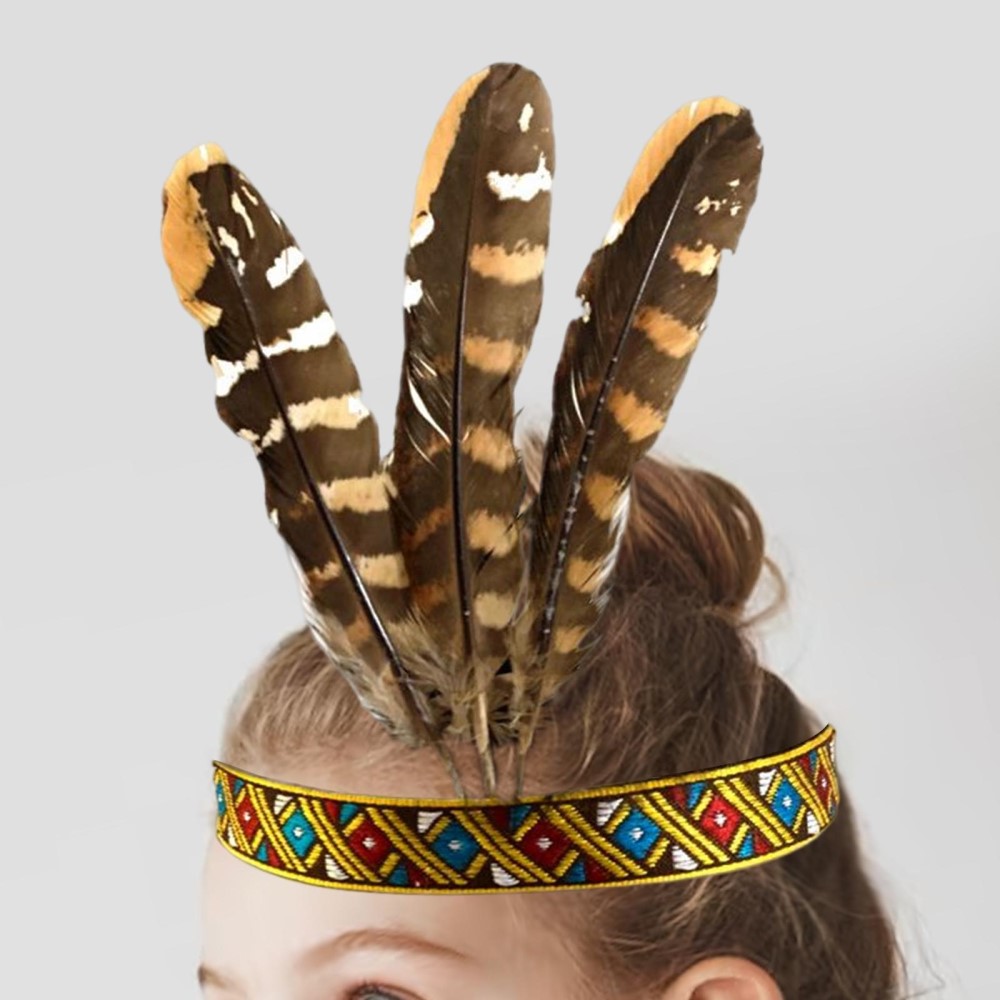
Are Native American headbands considered culturally appropriate to wear? Native american headbands carry deep cultural, spiritual, and historical meaning for many Indigenous communities across North America. These traditional accessories are more than fashion statements. They often represent tribal identity, ceremonial roles, or personal achievements. Each design element—beading, feather placement, color choice, and fabric—can convey specific messages. As a result, wearing native american headbands requires respect and awareness. Many tribes use them during powwows, dances, naming ceremonies, and seasonal gatherings.
Moreover, these headbands vary widely between nations. The Lakota, Navajo, Cherokee, and Hopi all have unique styles and traditions. Some include intricate beadwork passed down through generations. Others incorporate symbolic patterns tied to nature or ancestry. Today, people seek authentic pieces not only for cultural connection but also for education and celebration. This guide explores the origins, meanings, and respectful ways to engage with native american headbands. It also covers modern adaptations, where to buy ethically, and how to honor their significance. Ultimately, understanding these items fosters appreciation beyond aesthetics.
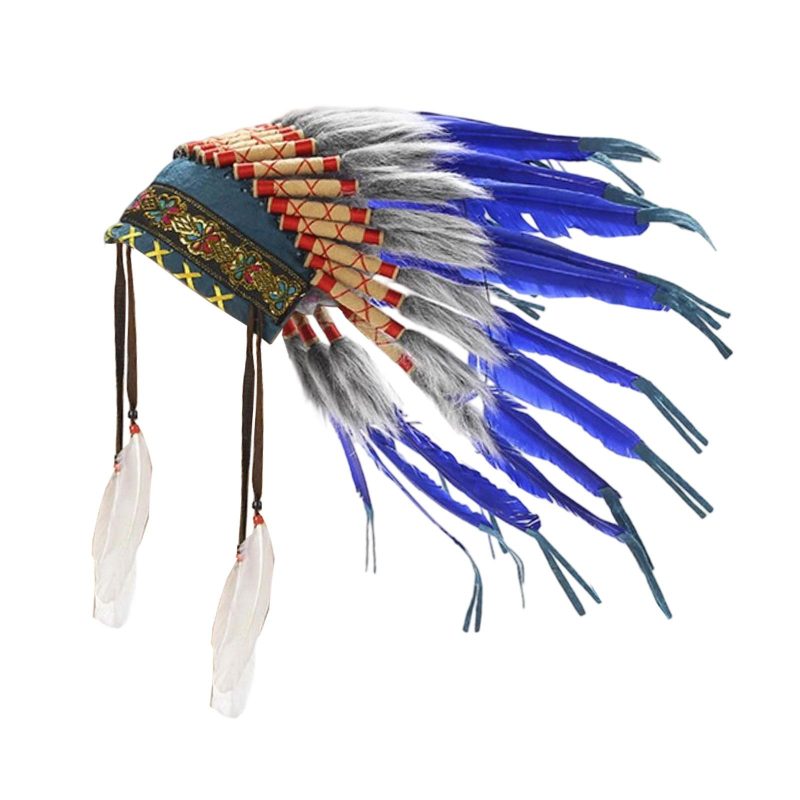 Recognizing the Cultural Meaning Behind Designs
Understand Symbolism, Colors, and Tribal Differences
Each native american headband reflects the values and stories of its community. For example, certain colors hold sacred meanings. Red often stands for life or war. Blue may symbolize the sky or peace. Yellow can represent the sun, while white signifies purity or mourning. These choices are never random. They connect wearers to spiritual beliefs and natural elements.
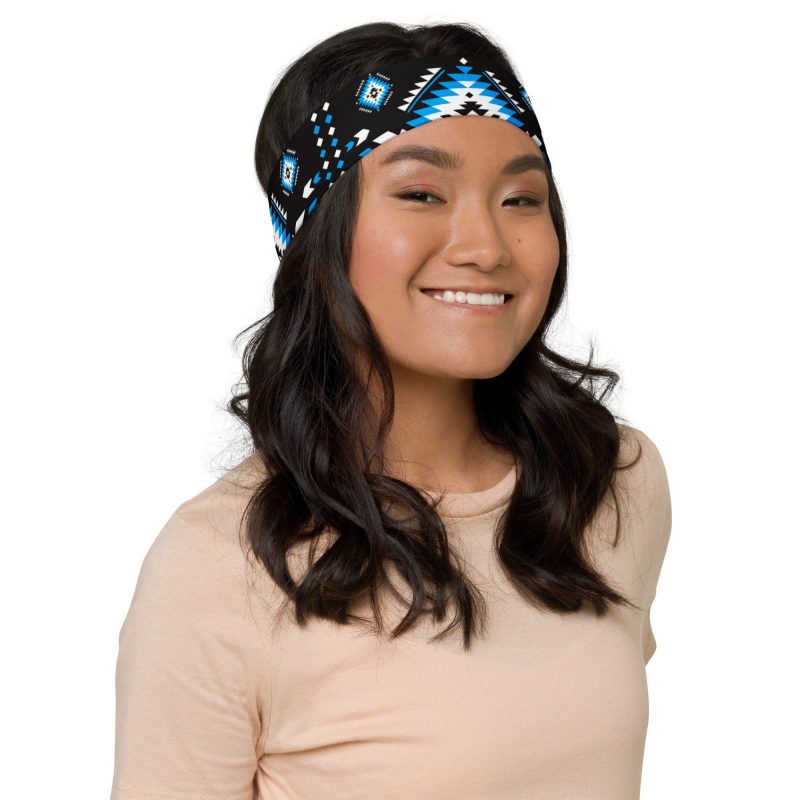
Patterns and shapes also matter. Geometric designs in Southwest tribes like the Hopi reflect balance and harmony. Floral motifs in Woodland nations express growth and renewal. Beadwork is typically hand-stitched, with each piece placed intentionally. Some patterns tell family histories or mark rites of passage.
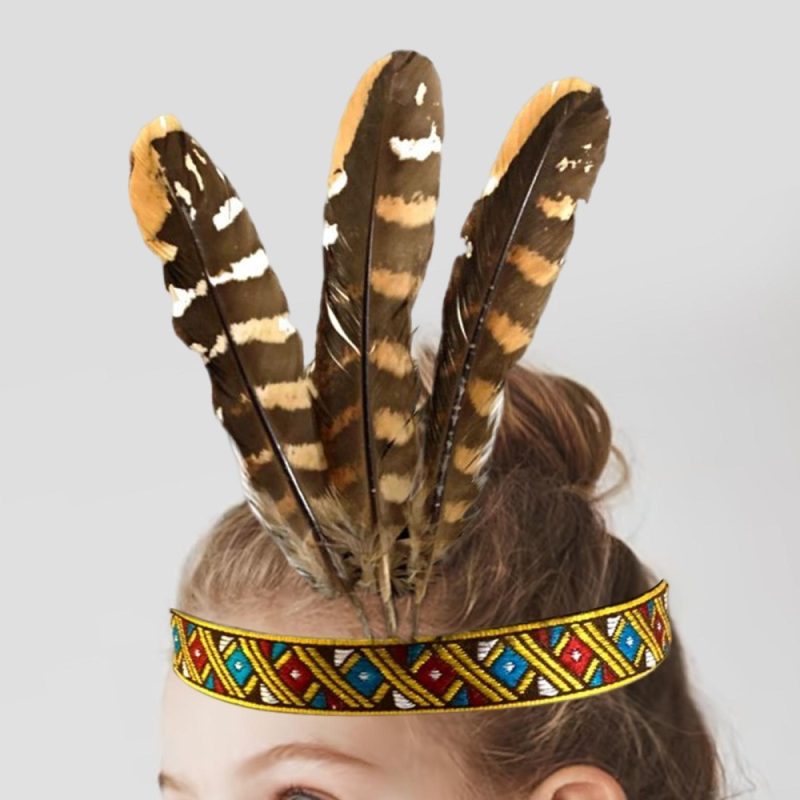
Feathers sometimes appear on or near headbands. However, eagle feathers are highly protected and reserved for honored individuals. Only those who receive them through ceremony may legally possess them in the U.S. Using fake or imitation feathers helps maintain respect without breaking laws.
Tribal distinctions are crucial. A style from the Plains differs greatly from one in the Pacific Northwest. Generalizing all Indigenous cultures together erases unique identities. Always research which nation a design comes from before purchasing or wearing it.
Furthermore, some symbols are restricted. Sacred emblems should not be used casually. Commercial reproductions often ignore these boundaries. Therefore, buyers must stay informed and cautious.
Respect begins with knowledge. Learn before you wear.
Traditional Uses in Ceremonies and Daily Life
Honor Roles in Dance, Rites, and Community Events
Native american headbands serve important functions during cultural events. In powwows, dancers wear them as part of full regalia. Each piece aligns with dance style—Fancy Shawl, Jingle Dress, or Grass Dance. The headband completes the look while honoring tradition.
During naming ceremonies, children may receive their first headband. Elders present it as a sign of welcome into the community. It marks the beginning of identity and responsibility. Similarly, coming-of-age rituals include specially made headwear. These moments are deeply personal and spiritual.
Some leaders wear distinct headbands during council meetings. Their designs indicate status, wisdom, or clan affiliation. These are not costumes. They represent years of service and earned respect. Outsiders should never imitate such symbols.
In daily life, simpler versions were historically worn for practical reasons. They kept hair out of the face during work. Mothers used soft bands while caring for children. Hunters wore lightweight ones for comfort in motion. Function blended seamlessly with cultural expression.
Today, many Native people continue these practices. They pass down techniques to younger generations. Handmade headbands remain treasured family heirlooms.
Non-Native individuals should avoid using ceremonial styles as fashion accessories. Doing so disrespects living traditions. Instead, support authentic artisans and learn about proper context.
Appreciation grows from honesty and humility.
 Materials and Craftsmanship in Authentic Pieces
Explore Natural Fabrics, Beads, and Handmade Techniques
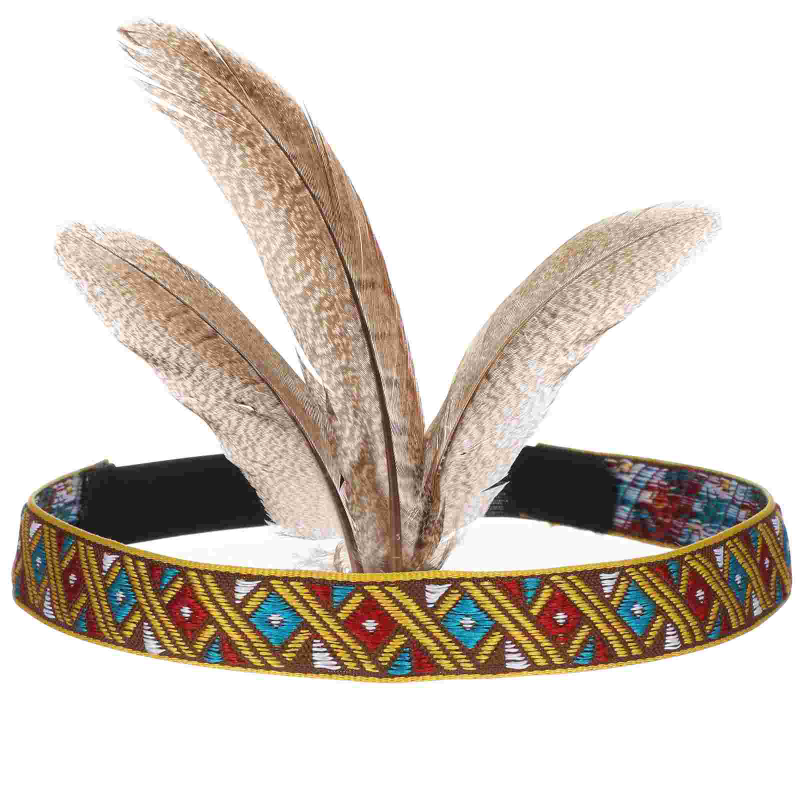
Authentic native american headbands use materials found in nature. Early versions included leather, fur, and plant fibers. These were readily available and suited to local climates. Over time, trade introduced new supplies like wool and cotton. Artisans adapted while preserving core methods.
Beadwork is a hallmark of many designs. Historically, beads came from shells, bones, or stones. After European contact, glass beads became common. Artists use the “lane stitch” or “lazy stitch” techniques to create detailed patterns. Each method requires patience and skill.
Many modern makers still craft by hand. They cut leather precisely and attach beads one at a time. Embroidery follows traditional layouts passed down orally. This ensures cultural accuracy and continuity.
Natural dyes once colored fabrics. Berries, roots, and minerals provided earth-toned palettes. Now, some artists combine traditional hues with modern threads. The goal remains visual storytelling.
Metal accents like brass or silver appear in certain regions. These add shine without overpowering symbolism. Conchos and small plates may decorate Plains-style bands.
Craftsmanship takes time. A single headband might take weeks to complete. Buyers should expect higher prices due to labor intensity. Fast, mass-produced copies lack authenticity and degrade cultural value.
Supporting handmade work sustains Indigenous economies. It honors real artistry over imitation.
Ethical Ways to Appreciate and Wear Native American Headbands
Avoid Cultural Appropriation and Support Real Artists
One key question arises: can non-Native people wear native american headbands? The answer depends on context. Wearing sacred or ceremonial items as costumes is inappropriate. It reduces meaningful traditions to trends. This act is known as cultural appropriation. It causes harm and offense.
However, appreciation is possible when done respectfully. First, buy directly from Native-owned businesses. Look for verified sellers who share their tribal affiliation. Read product descriptions carefully. Authentic creators often explain the story behind each piece.
Avoid generic “tribal” prints sold by fast-fashion brands. These mix symbols from different nations. They disrespect boundaries and spread misinformation. Instead, choose items labeled with specific tribal names and purposes.
If invited to participate in a cultural event, follow guidance from hosts. They will advise what to wear—or not wear. Accept corrections gracefully. Your willingness to learn shows respect.
Educate others too. Share facts about the difference between appreciation and appropriation. Encourage thoughtful shopping habits.
Also, credit sources when sharing photos online. Tag the artist and mention the tribe involved. Social media visibility supports fair recognition.
Ultimately, respect means listening more than speaking. It means valuing people over products.
 Where to Buy Authentic Native American Headbands
Shop from Tribal Artisans, Markets, and Verified Sellers
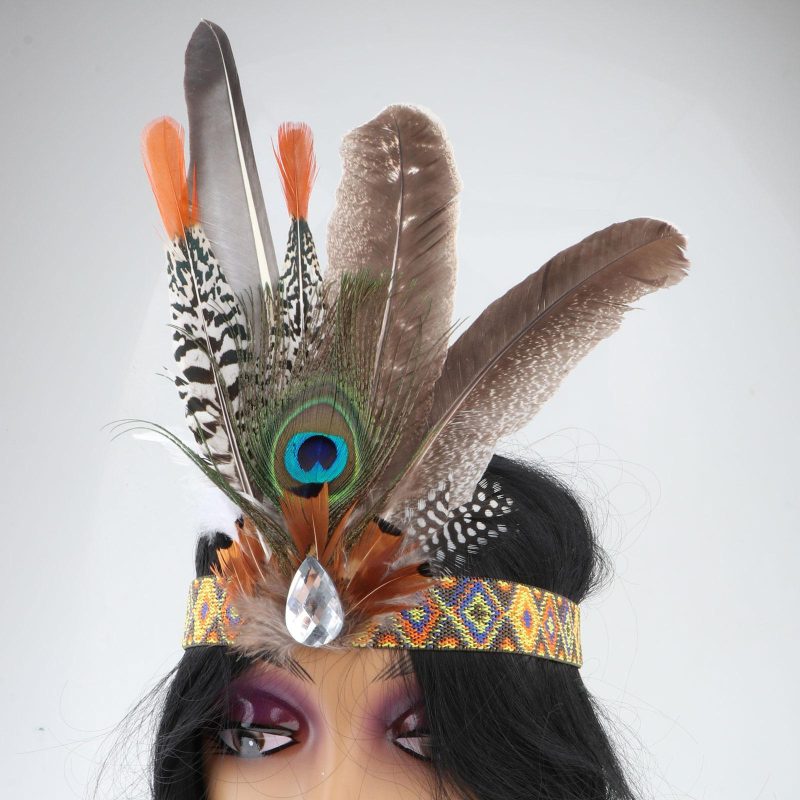
Purchasing authentic native american headbands starts with knowing where to look. Online marketplaces like Etsy list many sellers. Filter results to find those identifying as Native American. Check bios and shop policies for transparency. Reputable artisans often include certificates of authenticity.
Tribal art fairs and powwows offer direct access to makers. Events like the Santa Fe Indian Market feature top-tier craftsmanship. Attendees meet artists in person and hear stories behind the work. Prices reflect true labor and cultural value.
Museums with gift shops sometimes sell pieces from affiliated artists. These institutions vet vendors carefully. Purchases often support cultural preservation programs.
Social media platforms help locate small businesses. Instagram and Facebook groups connect buyers with Native entrepreneurs. Follow hashtags like #NativeMade or #IndigenousArt. You’ll discover unique, limited-run items.
Avoid tourist shops in airports or souvenir stores. These often sell imported imitations. They rarely benefit actual Native communities. Mass production strips away meaning and history.
When in doubt, ask questions. Contact the seller and inquire about origin, materials, and tribal connection. Honest artisans welcome dialogue.
Buying ethically strengthens cultural pride. It empowers communities to keep traditions alive.
Modern Adaptations and Fashion Trends
Blend Tradition with Contemporary Style Respectfully
Today, some designers blend traditional elements with modern fashion. These adaptations can be positive when done right. Native-led brands create stylish yet respectful headbands. They use cultural motifs within appropriate contexts.
For example, a company might release a casual band featuring a geometric pattern inspired by Navajo weaving. The design stays abstract. It avoids sacred symbols or ceremonial forms. The brand credits its roots clearly. This approach celebrates heritage without exploiting it.
Fashion shows occasionally include Indigenous-inspired looks. When Native stylists lead these projects, representation improves. They ensure dignity and accuracy in presentation. Collaborations between Native artists and major labels can raise awareness—if profits are shared fairly.
Non-Native brands sometimes copy designs illegally. This practice, called knockoff culture, harms original creators. It floods the market with cheap versions. Always check if a brand has permission to use certain patterns.
Consumers influence change through choices. Supporting ethical companies sends a strong message.
Even school projects can teach respect. Teachers assign lessons on Indigenous cultures. Students learn why certain items should not be worn casually. Education prevents unintentional harm.
Modern style thrives best when rooted in truth.
 Creative and Educational Uses Beyond Wear
Teach Culture, Decorate Spaces, and Preserve Heritage
Native american headbands serve purposes beyond personal wear. Educators use replicas in classrooms to teach about diversity. They explain regional differences and cultural values. Students gain insight without appropriating sacred items.
Museums display historic headbands in curated exhibits. These pieces help preserve memory and honor ancestors. Labels provide context about use, maker, and tribe. Visitors leave with deeper understanding.
Home decorators sometimes frame ceremonial-style bands as art. This works only if the item was created for sale. Never display sacred regalia taken from families or communities. Ownership matters deeply.
Cultural centers use headbands in youth programs. Elders teach beading and sewing techniques. Young people build identity and pride through hands-on learning. These skills strengthen future generations.
Photographers collaborate with Native models for editorial shoots. When led by Indigenous creatives, these images reclaim narrative power. They show beauty on Native terms.
Even books and documentaries feature headbands as symbols of resilience. They highlight survival despite colonization and assimilation efforts.
These uses emphasize education over entertainment. They protect meaning while sharing knowledge.
Frequently Asked Questions
Are Native American Headbands Only for Ceremonies?
No, some were used daily. But ceremonial ones hold special meaning. Always know the difference before wearing any piece.
Can Non-Natives Own These Headbands?
Yes, if bought from Native artists for that purpose. Avoid sacred or gifted items. Respect intent and origin.
What Makes a Headband Authentic?
It’s made by a Native artisan, uses traditional methods, and respects cultural rules. Origin and intent define authenticity.
Is It Okay to Wear One at a Festival?
Only if it’s not ceremonial and purchased ethically. Otherwise, choose non-tribal alternatives to avoid offense.
Do All Tribes Use Headbands?
No, styles vary widely. Some use headdresses, roaches, or turbans instead. Never assume uniformity among diverse nations.
 Final Thoughts
What are the traditions behind wearing Native American headbands today? Understanding native american headbands goes beyond appearance. They carry stories, spirituality, and identity for many Indigenous peoples. Wearing or owning one requires mindfulness and respect. These are not costumes. They are expressions of living cultures.
By supporting real artists, learning tribal differences, and avoiding appropriation, we honor their true value. The best way to appreciate native american headbands is through education and ethical action. Let admiration turn into advocacy. Let curiosity lead to connection. Ultimately, respecting these traditions strengthens cultural understanding for everyone.