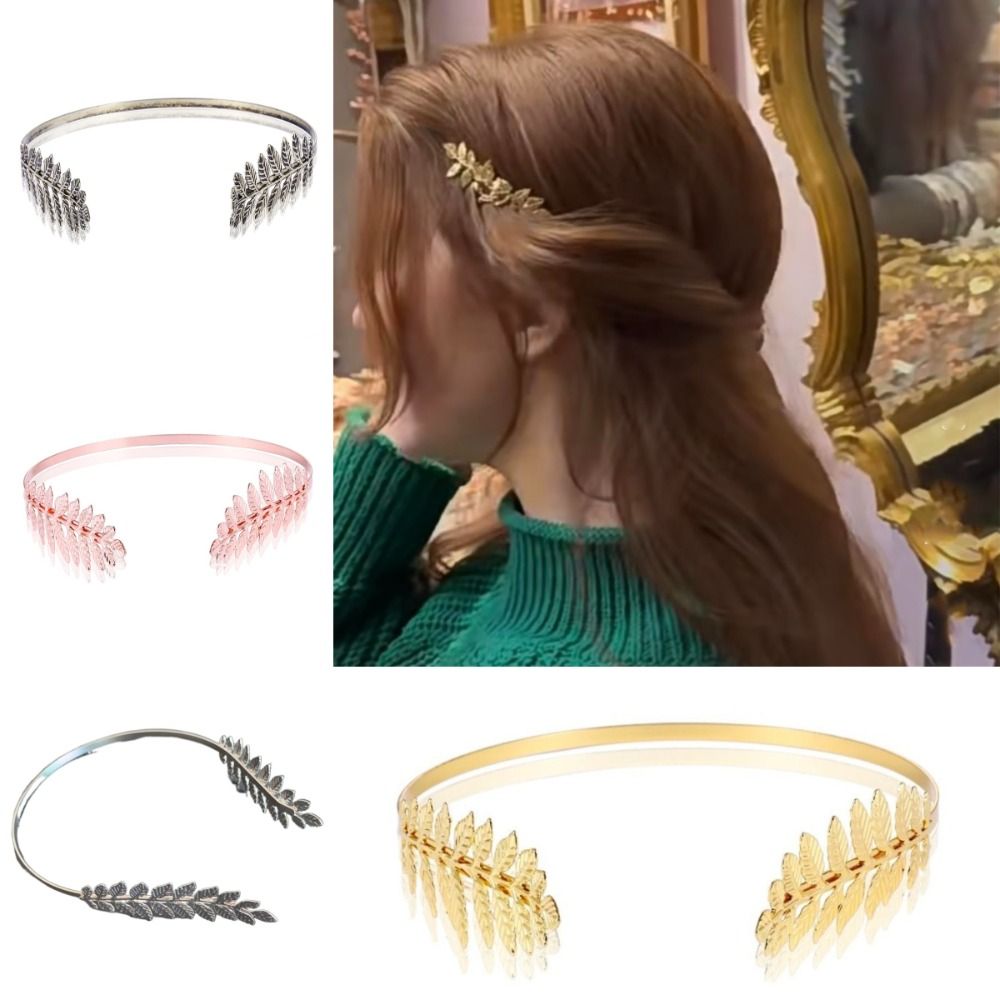
How Can You Tell If a Headband Is Damaging Your Hair? Many people wear headbands daily for fashion, function, or fitness. From keeping hair out of the face to completing a stylish look, they offer convenience and flair. However, a growing concern has emerged: do headbands cause hair loss? This question worries both occasional users and long-term wearers alike. With increasing reports of thinning edges and temple baldness, it’s worth examining the facts.
While headbands themselves are not inherently harmful, how they’re used can make all the difference. Tight styles, frequent use, and poor materials may contribute to damage over time. On the other hand, gentle designs and proper habits often prevent issues entirely. Therefore, understanding the relationship between headwear and hair health is essential. The answer isn’t a simple yes or no—it depends on multiple factors.
 How Improper Use of Headbands Can Lead to Hair Damage
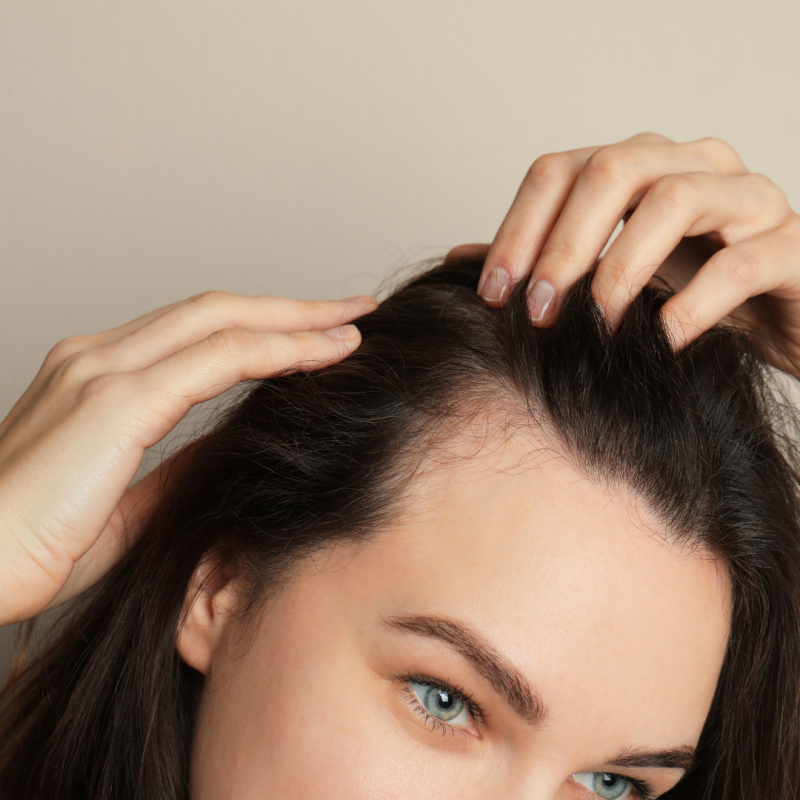
Do headbands cause hair loss? Wearing headbands too tightly is one of the main reasons for potential harm. When pressure is constantly applied to the scalp, especially along the hairline, it strains the follicles. Over time, this tension weakens roots and may result in breakage. Consequently, many users notice thinner hair near the temples or forehead.
Moreover, pulling hair back before placing a band increases stress on strands. Styles like high buns or ponytails combined with tight bands create double tension. This combination raises the risk of traction alopecia, a condition caused by prolonged pulling. As a result, hair stops growing normally in affected areas.
Frequent use without breaks also plays a role. Wearing a headband every day gives no recovery time for follicles. Without rest, weakened hairs may fall out prematurely. In addition, sweat and oil buildup under the band can clog pores if not cleaned regularly. This further disrupts the scalp environment.
Therefore, moderation and mindful styling help reduce these risks significantly.
Signs That Your Headband Might Be Harming Your Hair
Early detection can prevent long-term damage. One clear warning sign is increased shedding around the forehead. If you find more hairs caught in your band after removal, it’s time to reassess your routine. Another red flag is soreness or tenderness along the scalp line. Pain indicates excessive pressure.
You might also see visible thinning over weeks or months. The hairline may recede slightly, particularly at the sides. In severe cases, small bald spots appear where the band sits most frequently. These patches often start subtle but grow larger with continued use.
Itching or irritation under the band could signal friction or allergic reactions. Some materials, like synthetic rubber or low-quality dyes, irritate sensitive skin. Left unchecked, inflammation can impair hair growth. Additionally, flaking or redness suggests possible dermatitis.
If any of these symptoms occur, take immediate action. Switch to softer fabrics, loosen the fit, and allow your scalp breathing room. Early intervention often reverses minor damage.
 Choosing the Right Type of Headband to Protect Your Hair
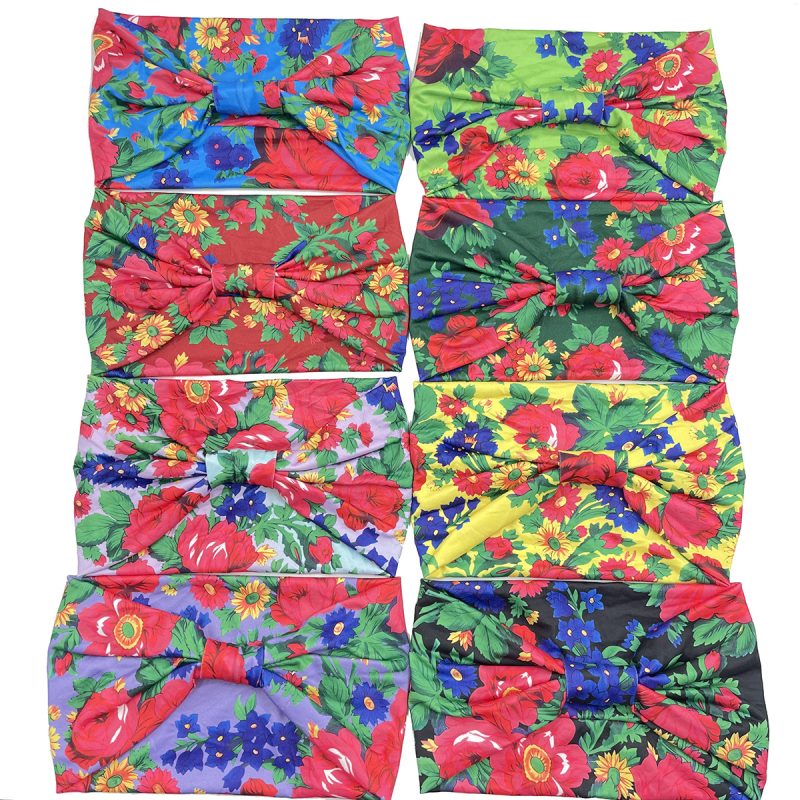
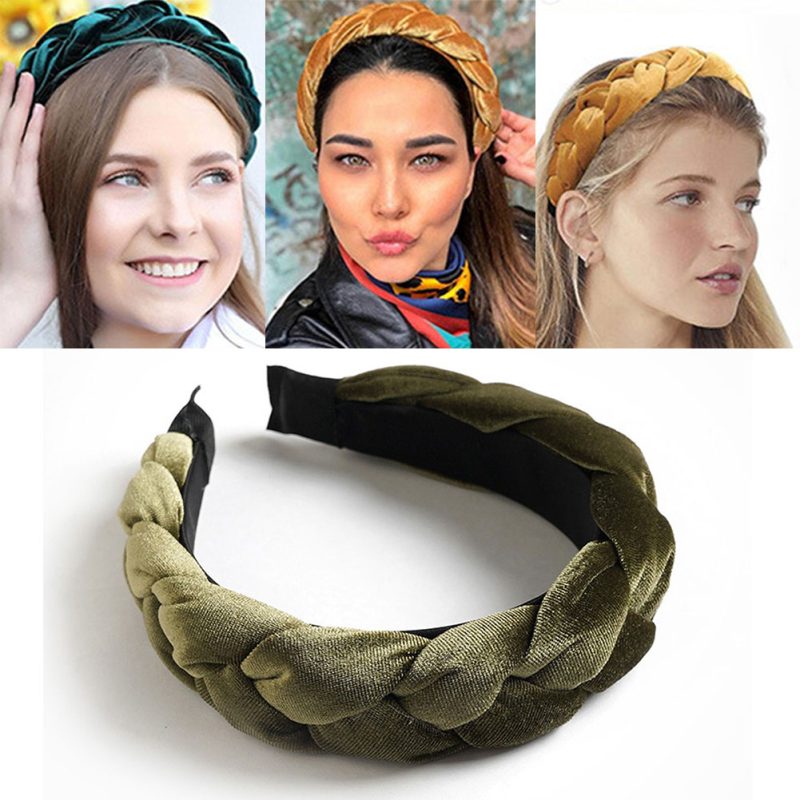
Not all headbands pose the same risk. Fabric type matters greatly when trying to avoid damage. Cotton and silk are excellent choices because they glide smoothly over strands. They reduce friction and don’t pull hair during placement or removal.
Silk, in particular, offers extra benefits. Its smooth texture minimizes tugging and helps retain moisture in the hair shaft. Many users report less frizz and fewer split ends when using silk headbands. Moreover, silk doesn’t absorb natural oils, so your scalp stays balanced.
Knit or fleece-lined options work well for colder weather. They provide warmth without squeezing tightly. Look for stretchy but supportive bands that stay in place through movement. Avoid those with rough seams or stiff inner linings.
Elastic-free designs are another smart alternative. Some brands offer wrap-style headbands secured with ties. These let you control the pressure and eliminate constant tension. Adjustable fits ensure comfort for different head sizes.
Ultimately, selecting the right material and structure supports both style and scalp wellness.
Best Practices for Wearing Headbands Safely
To enjoy headbands without risking hair loss, follow a few key guidelines. First, always choose a loose fit. The band should hold hair back without digging into the skin. You should be able to slide a finger underneath easily.
Second, limit daily use. Give your scalp rest days to recover from any pressure. Rotate between different accessories like clips or scarves to vary tension points. This prevents overuse in one area.
Third, keep both your hair and headband clean. Sweat, product residue, and dirt accumulate quickly. Wash fabric bands weekly, especially after workouts. Dirty bands increase the chance of clogged follicles and infections.
Fourth, avoid wearing tight hairstyles underneath. Don’t pull hair into severe updos before adding a band. Let your hair flow naturally whenever possible. Use volumizing techniques instead of tension-based ones.
Finally, remove the headband gently. Never yank it off, as this can snap fragile strands. Lift it slowly from the back and ease it forward. Small changes in habit lead to big improvements in hair health.
 Who Is Most at Risk for Headband-Related Hair Loss?
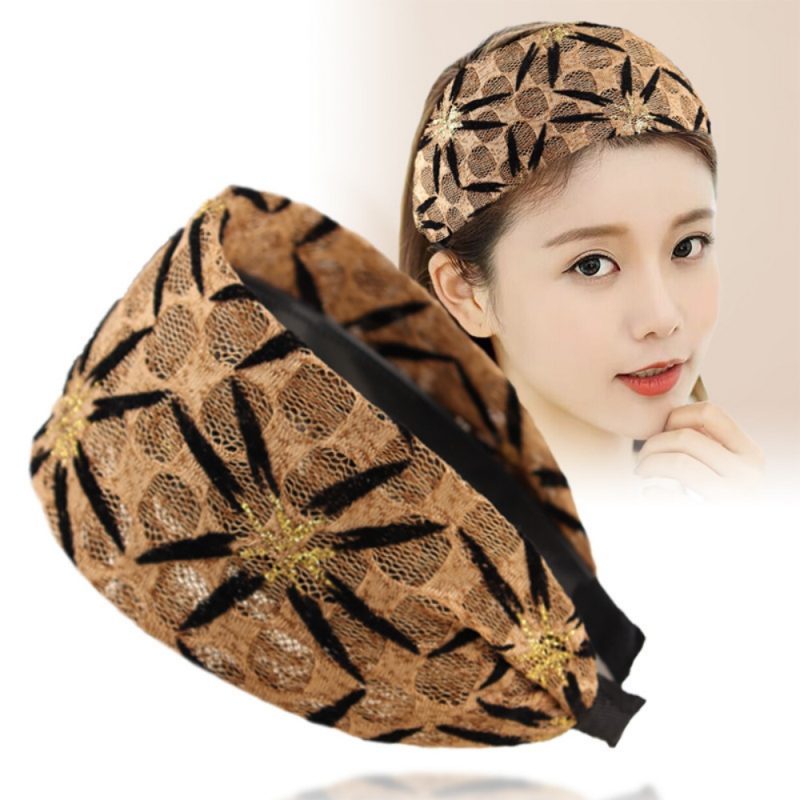
Certain individuals face higher chances of developing problems. People with fine or fragile hair are more vulnerable to breakage. Their strands cannot withstand strong forces as easily as thicker textures. As a result, even moderate pressure may cause damage over time.
Those who wear headbands for extended periods are also at greater risk. Athletes, dancers, and medical professionals often keep them on for hours. Continuous wear restricts blood flow and stresses follicles. Without breaks, recovery becomes difficult.
Individuals with pre-existing conditions like alopecia or scalp psoriasis should exercise caution. Their hairlines are already sensitive. Adding mechanical stress may worsen symptoms. Similarly, postpartum women experiencing temporary shedding should avoid tight accessories.
Children and teens who wear school or sports headbands daily may develop early signs. Parents should monitor fit and frequency. Teaching proper usage early sets healthy habits for life.
Awareness allows prevention. Knowing your personal risk level helps guide safer choices.
How Hairstyle Combinations Increase the Risk
Headbands rarely act alone in causing hair issues. More often, they combine with damaging hairstyles to create cumulative stress. For example, wearing a tight headband over a high ponytail doubles the pull on front sections. This dramatically increases the chance of traction alopecia.
Similarly, braids worn under headbands add another layer of strain. Cornrows or knotless braids already apply tension. Adding a constricting band amplifies pressure on the edges. Over time, this leads to significant thinning along the hairline.
Updos like buns or chignons pulled tightly to the crown also contribute. When a headband wraps around such a style, it locks everything into place firmly. While neat, this setup limits movement and circulation.
Even sleep headbands can be problematic if too snug. Some people use them to prevent bedhead. However, overnight pressure disrupts normal follicle cycles. Friction during tossing and turning worsens the effect.
Therefore, consider the full picture. It’s not just about the accessory itself—but how it interacts with your overall hairstyle.
Debunking Common Myths About Headbands and Hair Health
Despite widespread concerns, not all fears are based on fact. One myth claims that any headband use leads to permanent baldness. This is untrue. Occasional, gentle use does not harm healthy hair. Only prolonged misuse causes lasting effects.
Another misconception is that only cheap headbands cause problems. While poor materials can irritate, even high-end products may damage hair if worn too tightly. Price doesn’t guarantee safety—fit and usage do.
Some believe that children are immune to such issues. Yet, young scalps are delicate. Tight styles at an early age can lead to irreversible damage. Prevention should start early, regardless of age.
Others think switching to “invisible” bands eliminates risk. Clear plastic or silicone types may seem harmless. But if they grip too hard, they still apply pressure. Visibility doesn’t equal gentleness.
Understanding truth versus fiction empowers better decisions. Knowledge protects hair in the long run.
Alternatives to Traditional Headbands for Sensitive Scalps
For those concerned about damage, several alternatives exist. Scrunchies made from silk or satin offer a gentler way to pull hair back. They distribute pressure evenly and reduce snagging. Large claw clips serve a similar purpose without wrapping around the head.
Headscarves tied loosely provide coverage and style. They float over the hair rather than pressing down. Bandanas styled in retro knots add flair while minimizing contact. Plus, they come in endless colors and prints.
Flexible wire-edged headbands mold to the head without squeezing. They stay in place through light activity but release easily. Many are covered in soft fabric, reducing friction.
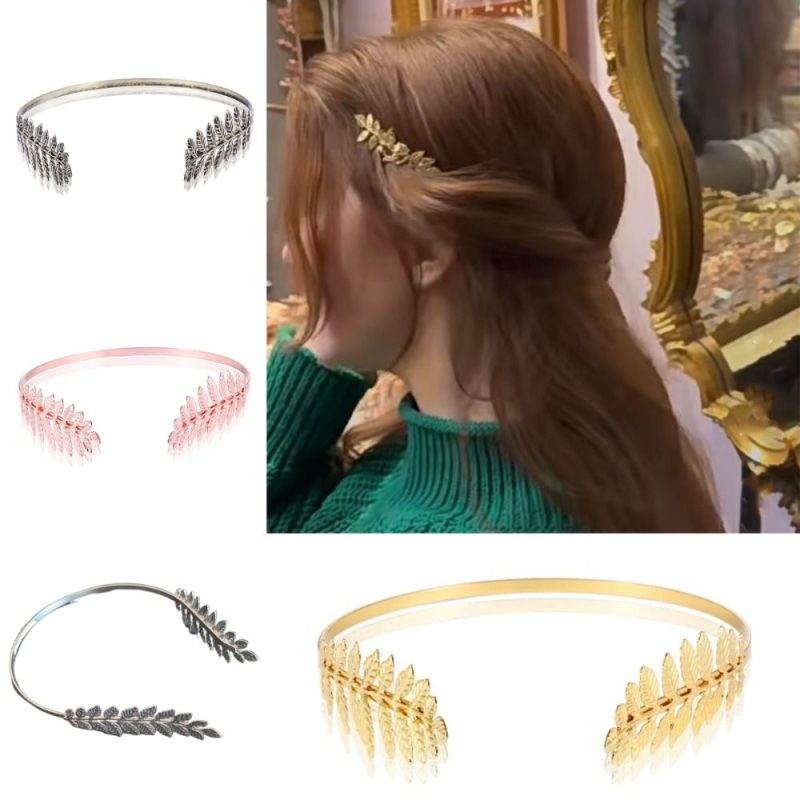
Bobby pins and decorative combs allow partial styling. They secure sections without full coverage. This gives the look of control without constant pressure.
These options prove you don’t have to sacrifice style for safety. Smart swaps protect your hair while keeping you looking great.
 Frequently Asked Questions About Whether Do Headbands Cause Hair Loss
Can wearing a headband every day cause hair loss?
Yes, if it’s tight or pulls on the hair consistently. Daily use without breaks increases the risk of traction alopecia. Moderation and proper fit reduce this danger significantly.
Are certain headband materials safer than others?
Absolutely. Silk, cotton, and soft knits are gentler on hair. Avoid rubber, plastic, or rough synthetics that tug and trap sweat.
Does loosening the headband really make a difference?
Yes. A looser fit reduces tension on follicles. It allows blood flow and prevents strain. Comfort should always come first.
Can hair grow back after headband damage?
In early stages, yes. Once follicles are intact, stopping harmful habits lets hair regrow. However, scarring from long-term trauma may cause permanent loss.
Should I stop using headbands completely?
No. Just use them wisely. Choose soft materials, wear them loosely, and take regular breaks. Balance is key to maintaining healthy hair.
 Final Thoughts on Balancing Style and Hair Wellness
What Are the Safest Headband Styles for Daily Use? The question “do headbands cause hair loss” deserves careful consideration. While they don’t automatically lead to baldness, improper use certainly contributes to damage. Tension, friction, and poor habits turn a simple accessory into a source of harm.
However, with mindful choices, you can enjoy headbands safely. Opt for gentle materials, maintain cleanliness, and avoid excessive tightness. Listen to your body—if it hurts, something needs to change.
Hair health reflects daily routines. Small adjustments today prevent bigger problems tomorrow. Confidence comes not just from looking good, but feeling good too.
So yes, do headbands cause hair loss? Sometimes—but only when misused. With awareness and care, you can wear them freely and protect your hair at the same time.